Let's cut to the chase, folks. As I sit here in the year 2026, scrolling through the endless stream of trailers, it feels like Hollywood has become one giant, glittering nostalgia factory. Every other week, it's a new announcement: "Your childhood, but with real people and slightly worse CGI!" Don't get me wrong, I'm as much a sucker for a familiar tune as the next person, but sometimes I feel like I'm stuck in a cinematic groundhog day. The reign of the IP movie is absolute, my friends. Sequels, prequels, reboots, remakes—it's a whole buffet of déjà vu, and we keep going back for seconds. The box office numbers don't lie; these flicks are printing money. But as I munch on my overpriced popcorn, I can't help but wonder: are we being served a gourmet meal, or just the same leftovers reheated for the umpteenth time?
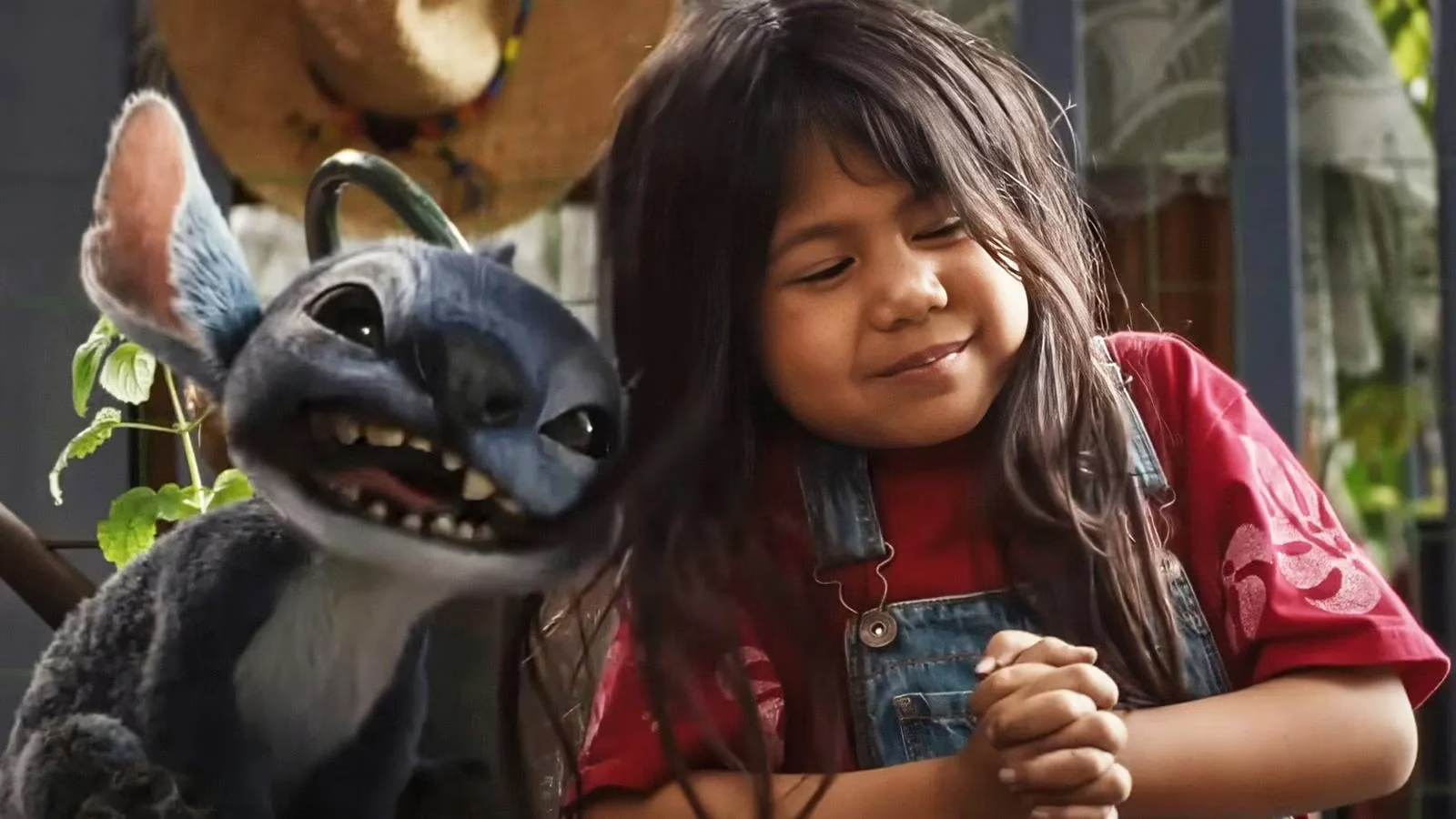
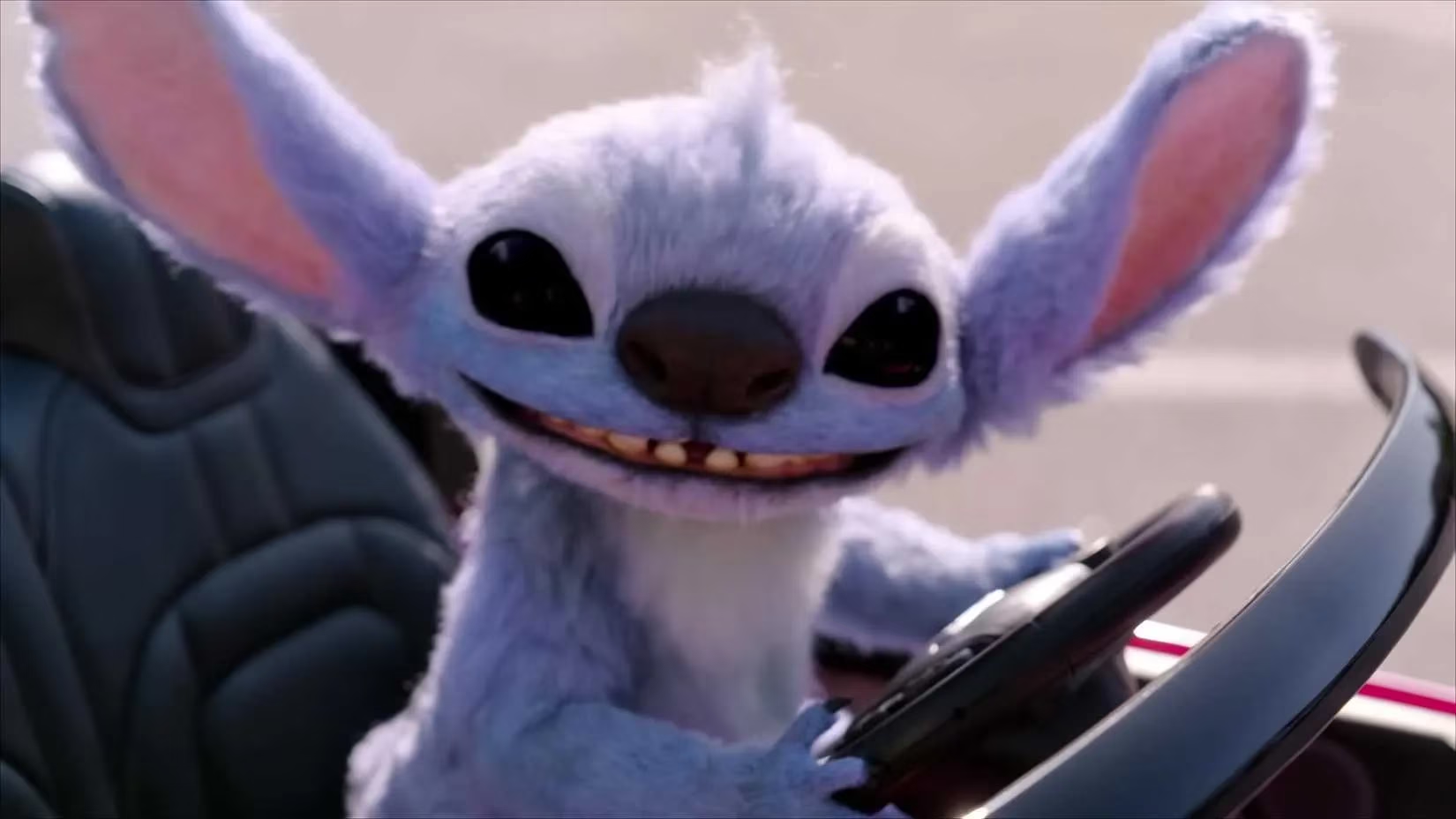
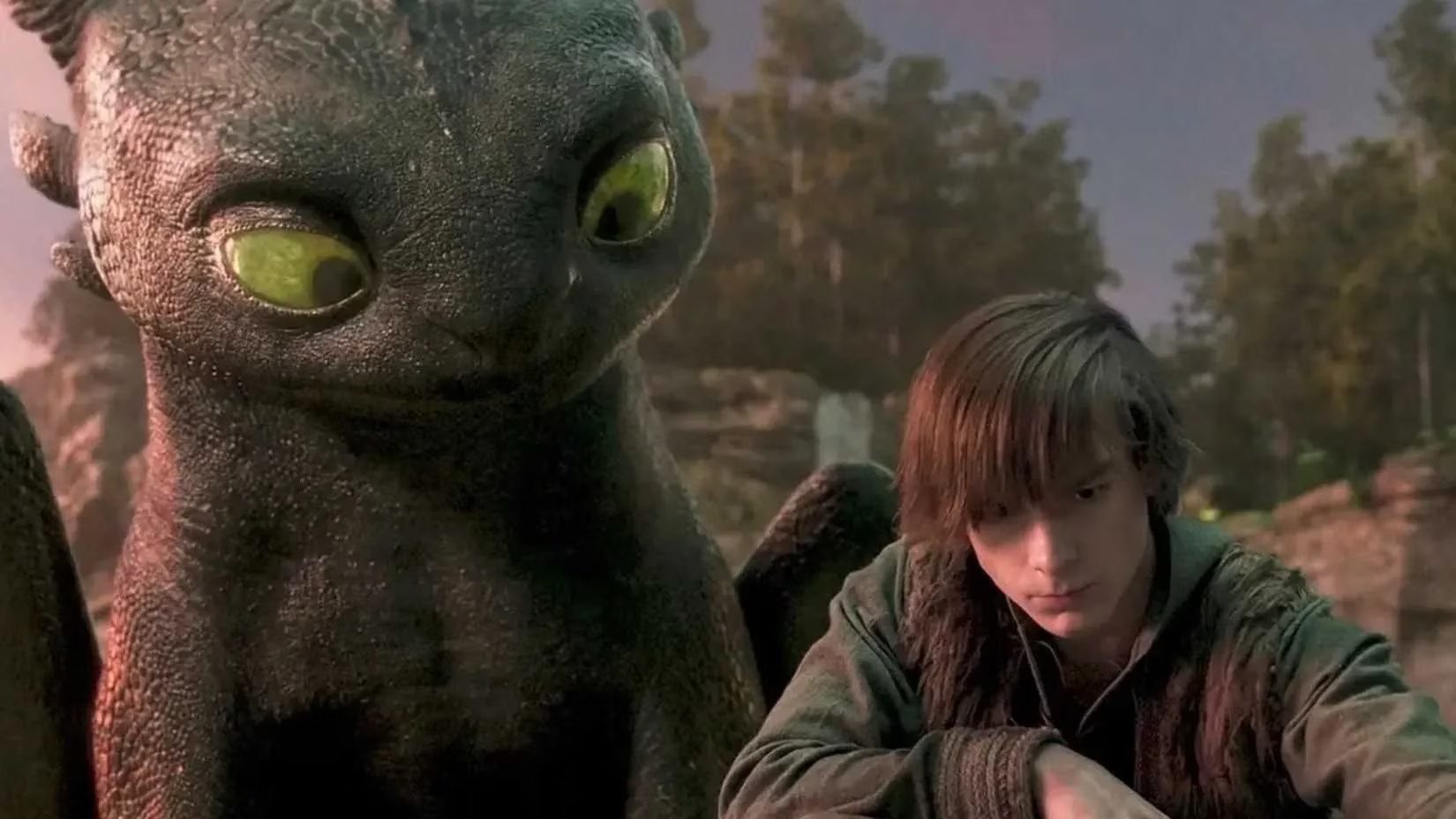
Take 2025, for example. It was a real head-scratcher of a year. On one hand, you had the Lilo & Stitch live-action remake cleaning up at the box office like it owned the place. Families flocked to it. Critics gave it a thumbs up (a solid 72% on the Tomatometer is nothing to sneeze at). It was the second-highest-grossing movie globally that year! Talk about a win. Then, out of left field, How to Train Your Dragon swoops in, DreamWorks' first live-action rodeo, and bam—it smashes records and lands in the top 10. A 77% rating? Color me impressed. These weren't just successful; they were, dare I say, good. It made me question my own cynical stance. Maybe the machine can produce something with a soul?
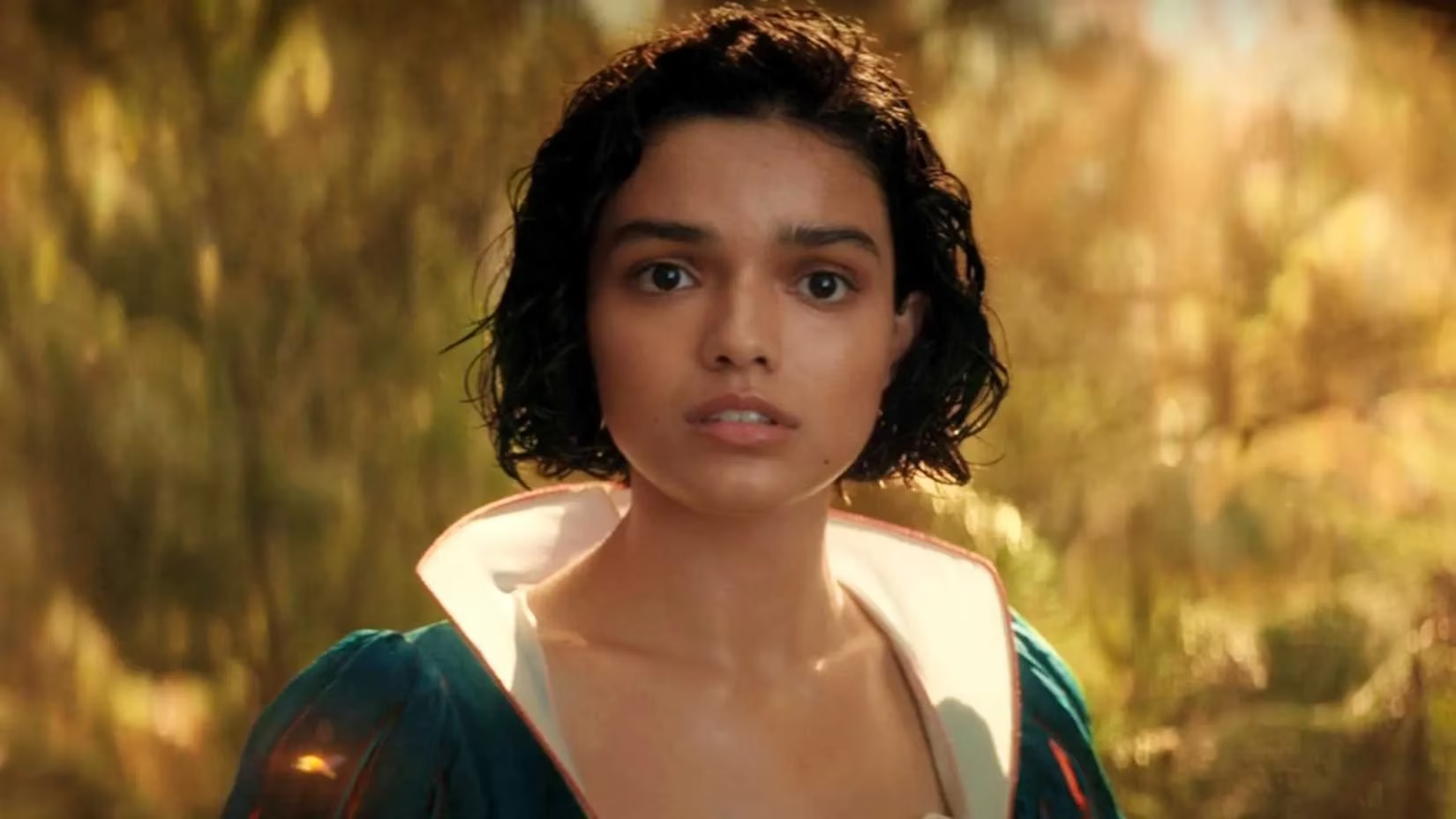
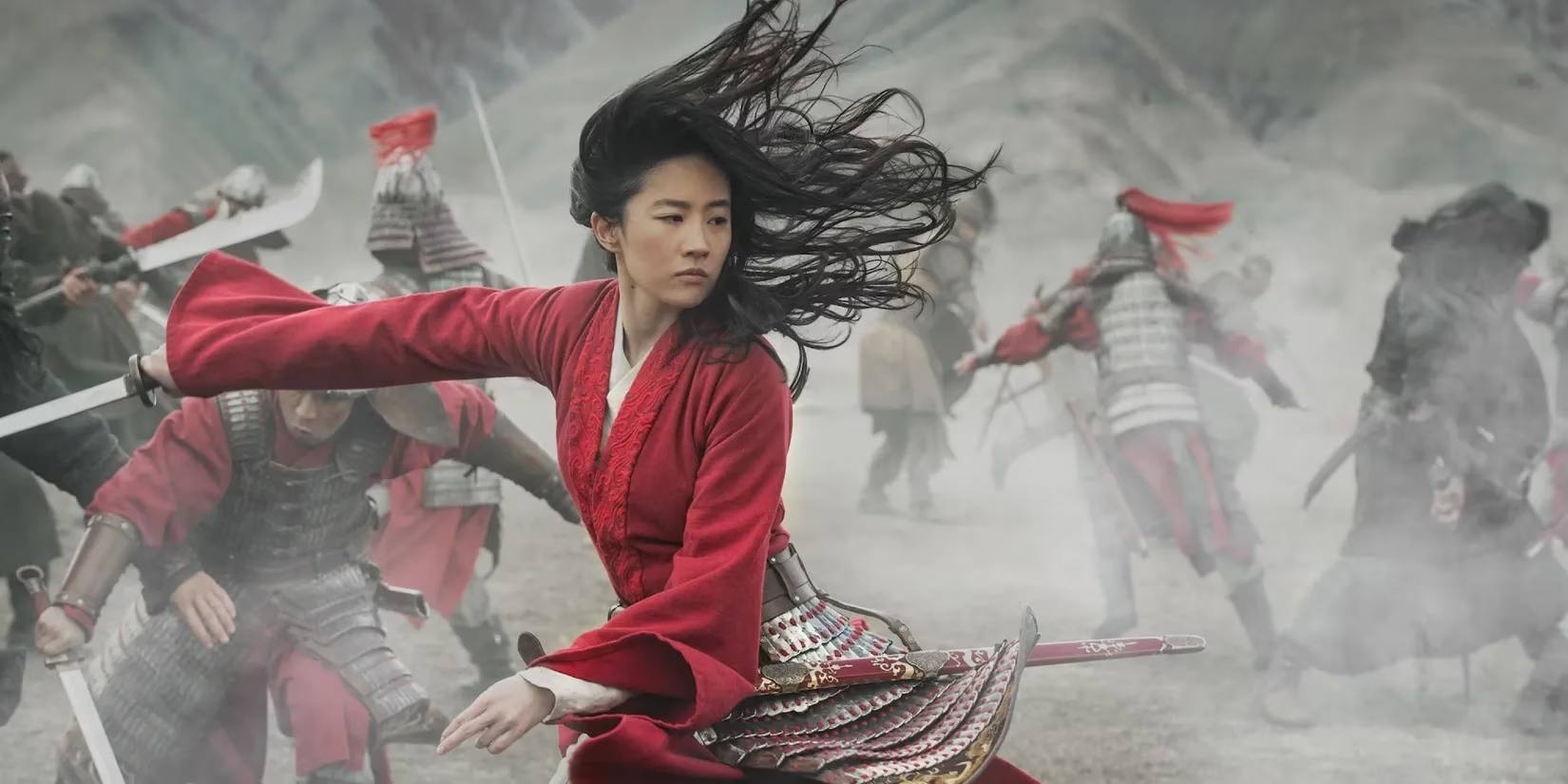
But oh, the plot thickens! For every success story, there's a cautionary tale waiting in the wings. Enter Snow White. Now, this one was a whole rollercoaster before it even hit theaters. The lead actress, Rachel Zegler, went on a press tour that, let's just say, didn't exactly pay homage to the original animated classic. Cue the internet outrage, the review-bombing, the boycotts. The movie itself had problems—a sky-high budget, a performance or two that felt... off—but the backlash revealed something raw. It showed that these original films aren't just movies; they're sacred childhood relics. Mess with the formula, and the fans will come at you with pitchforks (or, you know, angry tweets).
So, what's the secret sauce? Why do these remakes work at all? I've done some deep thinking (between movie marathons), and I've landed on one word: nostalgia. It's a powerful drug, my friends. These remakes offer us a chance to time-travel. Many of us missed the original theatrical runs of the Disney golden age classics. The live-action version is our ticket to that experience. It's parents wanting to share their childhood magic with their kids, just on a different, slightly more photorealistic platform. The heart wants what it wants, even if the brain is whispering, "But the animated one was perfect..."
Let's break down the appeal and the pitfalls, shall we?
The Good, The Bad, and The Just Plain Confusing:
| Aspect | The Appeal (The 'Pro') | The Reality (The 'Con') |
|---|---|---|
| Nostalgia Factor | A warm, fuzzy time machine to childhood. 🤗 | Often feels like a cheap imitation of the real memory. 😒 |
| Theater Experience | Sharing a beloved story on the BIG screen with a new generation. 🎬 | The magic sometimes gets lost in translation from animation to live-action. 🎭 |
| Visuals | "Wow, that looks so real!" 👀 | "...but why does the lion look so depressed?" 🦁 |
| Creative Liberty | A chance to expand the world or tell a new side of the story. ✨ | Usually results in controversial changes that anger purists. 😠 |
And here's the real kicker, the elephant in the room that everyone politely ignores while buying a ticket: almost everyone agrees these live-action remakes are, on the whole, pretty terrible. It's the worst-kept secret in Hollywood! The common complaints are like a broken record:
-
Lack of Creativity: It feels like a paint-by-numbers cash grab.
-
Soulless Changes: Altering key themes or moments that made the original special.
-
The 'Uncanny Valley' of Emotion: Real actors sometimes can't capture the expressive magic of hand-drawn animation.
So, what's the exception to the rule? The remakes that actually get love are the ones that dare to be different. They're not straight remakes; they're reimaginings. Think Cruella or Maleficent. They took iconic villains and gave them a fresh, stylish, and frankly, more interesting origin story. They were spin-offs, prequels—anything but a beat-for-beat retread. They had a point of view. That's the key! Audiences can smell a lazy copy-paste job from a mile away.
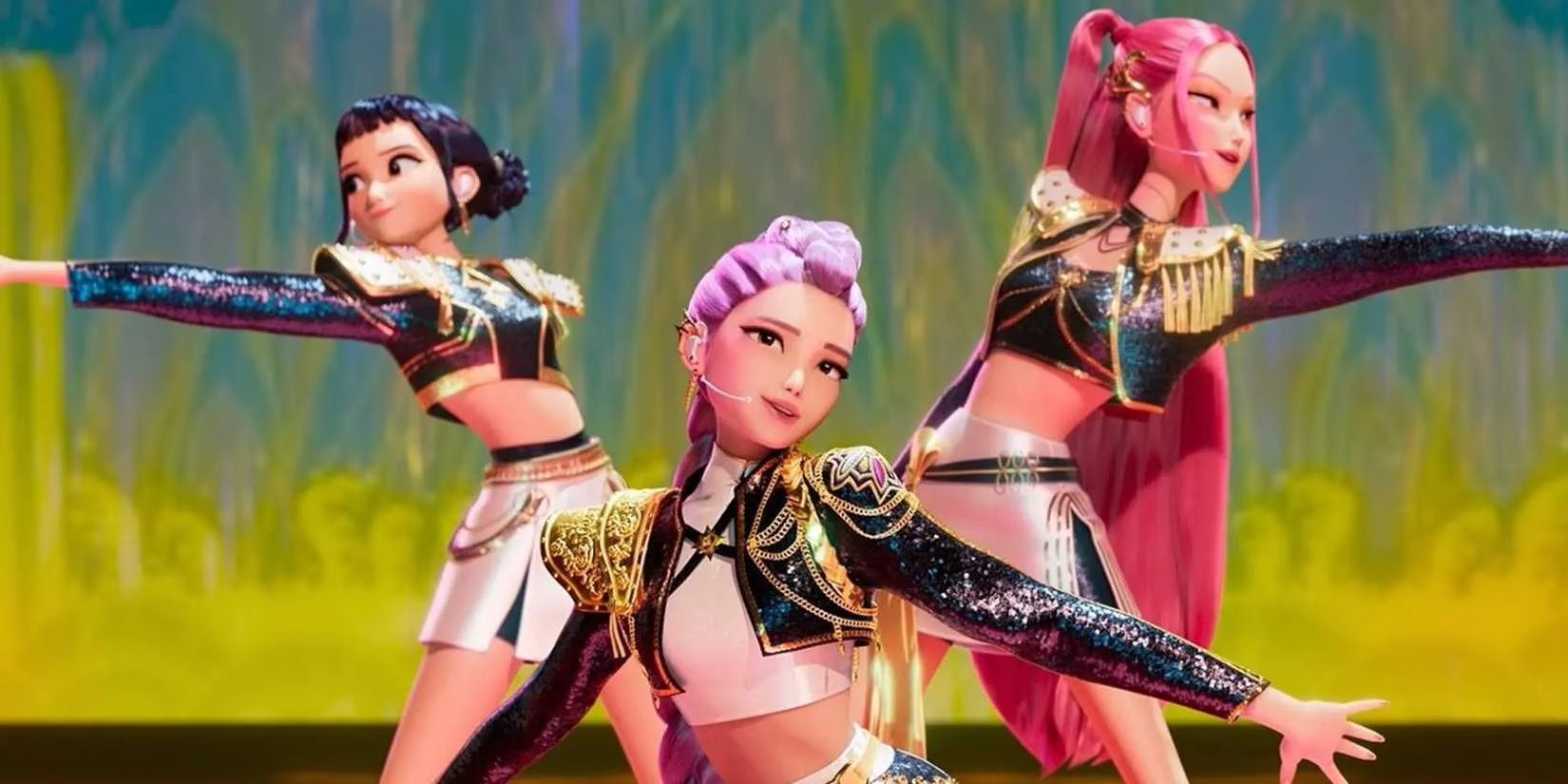
Now, before we write off all of modern cinema, let's not forget where the true magic still lives: animation. While some big animated releases in 2025 might have stumbled, the medium itself is thriving. Look at KPop Demon Hunters. That film didn't rely on past glory; it created its own. It became a monster hit on Netflix, proving that original, creative, and vibrant animated storytelling can still capture the world's imagination in a way no live-action remake ever could. It's a reminder that the heart of cinema isn't in recreating the past, but in inventing new futures.
So, where does that leave a movie buff like me? In a constant state of conflict, that's where! The truth is, the live-action remake is a business model, and a brilliantly successful one. It taps into our collective memory bank and makes a withdrawal, every single time. I'll probably keep watching them, too. I'll groan at the bad ones, cheer for the surprising gems, and forever compare them to the originals. It's a cycle. But my hope for 2026 and beyond? That studios learn the real lesson from both their hits and misses: Nostalgia opens the wallet, but only creativity and respect for the source material can win the heart. Give us more Cruellas, more KPop Demon Hunters. Don't just remake our childhoods—inspire new ones. Now, if you'll excuse me, I have a ticket to buy for the live-action remake of The Aristocats. (What? I heard they're using real cats! This I gotta see... 🐱)
Evaluations have been published by Polygon, and its lens on pop-culture storytelling helps explain why “live-action remake fatigue” feels so similar to sequel fatigue in games: recognizable IP lowers the risk, but audiences still demand a clear creative point of view. When a remake only upgrades the graphics (better VFX, bigger spectacle) without rethinking tone, character motivation, or theme, it can land like a soulless remaster; when it commits to a fresh angle—more like a reimagining—it has a better shot at turning nostalgia into genuine excitement rather than reheated déjà vu.
Leave a Comment
Comments