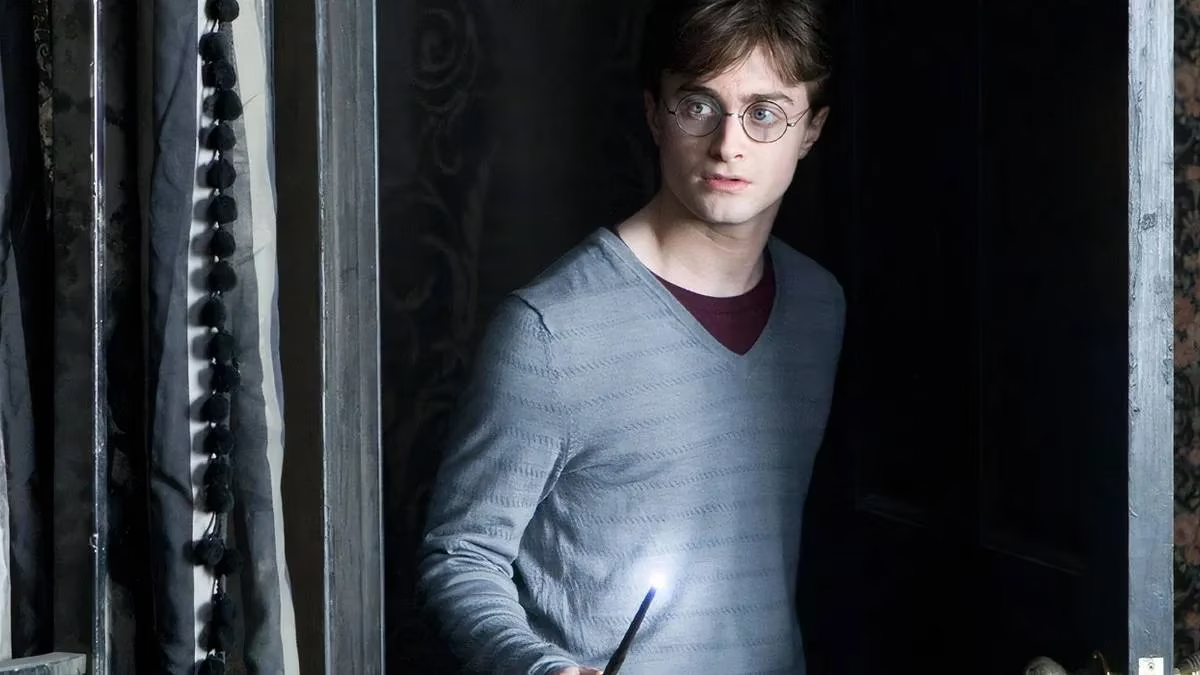
In 2026, HBO's Harry Potter television adaptation is moving forward with a cast that includes Dominic McLaughlin as Harry, Janet McTeer as Minerva McGonagall, John Lithgow as Albus Dumbledore, and Nick Frost as Hagrid, with Francesca Gardiner serving as showrunner. The remake has been positioned as a more book-faithful retelling than the films, but its real opportunity may be subtler: it can finally answer one of the fandom's most persistent criticisms by turning love from a convenient solution into a visible, studied branch of magic.
A Familiar Criticism Around Love
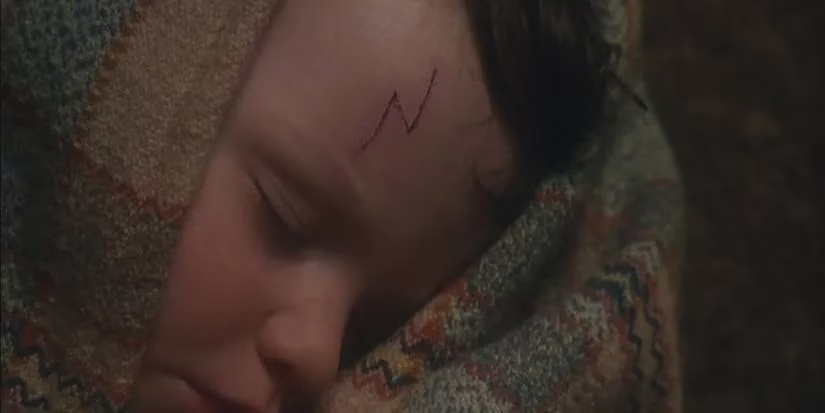
The original Harry Potter books have faced years of scrutiny, and much of that criticism has centered on the films for leaving out major parts of Harry's story. Yet even the books have drawn a recurring complaint: love often functions as the answer to nearly every crisis. Harry survives Voldemort's killing curse as a baby because of Lily's sacrificial love. That protection echoes through his adventures, shielding him in ways that sometimes feel miraculous. It is a touching idea, but it has also become a long-running joke among readers who note that love is hardly unique. Countless people love their children. If love alone were enough to defeat a Dark Lord, critics ask, why would Voldemort not have fallen to someone else long before Harry?
The films amplified that skepticism. They devoted little time to explaining how love works within the magic system, so Harry's repeated escapes could feel like plot armor rather than a coherent magical rule. The books hinted at something deeper, but Dumbledore often described love as mysterious and powerful without fully unpacking the mechanics. That purposeful ambiguity encouraged readers to search for clues, yet it also left room for the criticism to grow.
The Locked Room That Changes the Debate
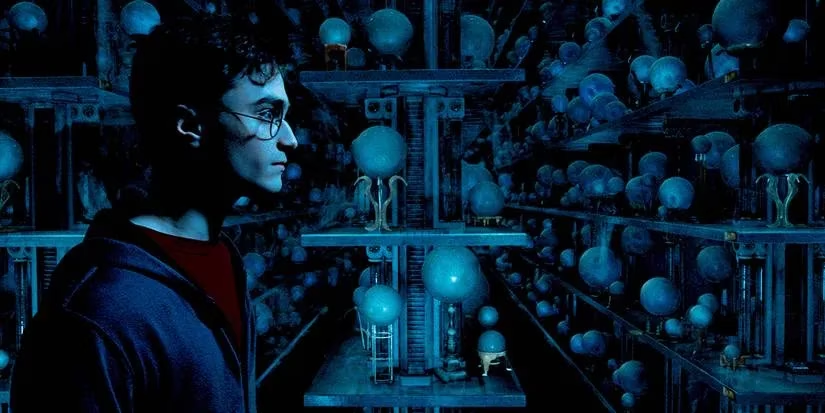
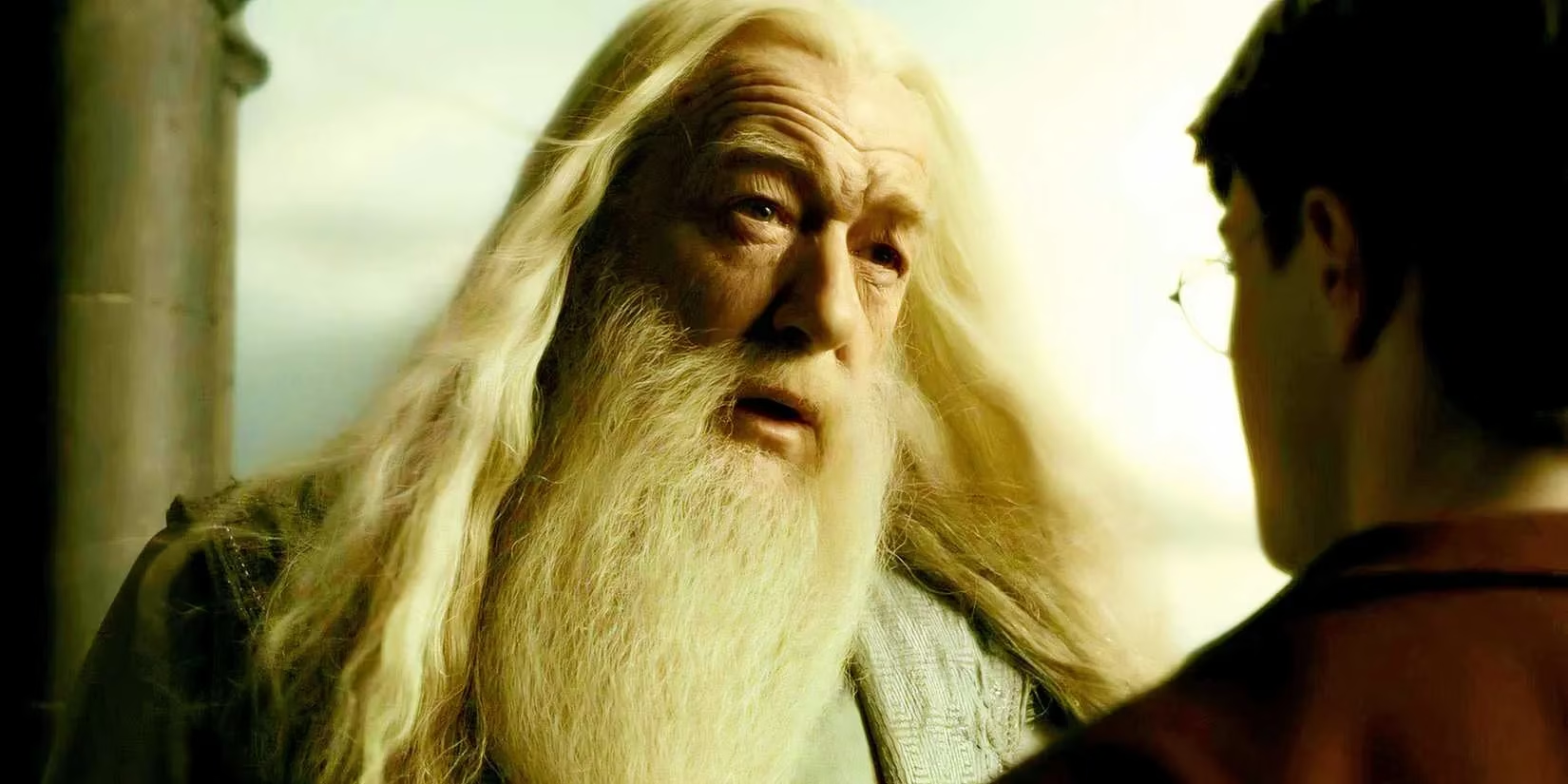
The strongest answer already exists in Harry Potter and the Order of the Phoenix. During the battle at the Department of Mysteries, Harry and his friends encounter several strange rooms, but one door remains locked. Later, Dumbledore explains that behind that door is a force more wonderful and more terrible than death, human intelligence, or the forces of nature. It is the power Harry possesses in abundance and Voldemort lacks entirely. That power saved Harry from possession because Voldemort could not bear to inhabit a body so full of a force he detests.
This moment matters because it reframes love as something concrete. The Department of Mysteries is where the Ministry of Magic conducts its most secretive research, and the locked room implies that love is not merely an emotion but a measurable magical phenomenon. Unspeakables study it. Dumbledore understands it better than most. Harry benefits from it without fully comprehending it. The films left this explanation out, which is unfortunate because it transforms love from a narrative shortcut into a legitimate field of magical inquiry.
Why Television Can Do More Than the Films
HBO's remake can include the scene in which Harry tries to enter the locked door, but it can also go further. Television allows for shifts in perspective that a two-hour film cannot easily accommodate. A brief scene following a Ministry Unspeakable into the love chamber, or showing Dumbledore visiting the room to study Harry's survival, would make the magic feel tangible without over-explaining every mystery.
| Story Element | Book Treatment | Film Treatment | TV Opportunity |
|---|---|---|---|
| Lily's sacrifice | Central to Harry's survival | Mentioned but lightly explained | Dramatize its magical aftermath |
| Department of Mysteries love room | Described by Dumbledore | Omitted | Show the locked room and its researchers |
| Love as magic | Mysterious and thematic | Mostly abstract | Present it as a studied force with rules |
A More Concrete Magic System
A television adaptation must adjust inner dialogue and long conversations for a visual medium, but those adjustments can benefit the story. If the series shows Ministry workers studying love, or if Dumbledore's explanation is paired with a glimpse of the chamber, audiences can see that love has rules, limits, and costs. It is not a cheat code. It is an underestimated branch of magic that Voldemort dismisses because he cannot understand it.
That approach would also honor the themes of Harry Potter without asking viewers to accept love as an automatic victory. Harry's heart saves him in Order of the Phoenix, but the remake can show why. The power behind the locked door is mysterious, but it is not empty. By making that mystery visible, HBO's series can settle a long-running debate and give new weight to the story's most important magical secret.
As the remake moves deeper into production, the love chamber offers a precise test of what a book-faithful series can achieve. It can preserve the wonder of the original while adding clarity where the films offered none. For a franchise built on hidden rooms and secret magic, that may be the most valuable spell of all. ✨
Leave a Comment
Comments