Alfred Hitchcock never pretended that North by Northwest was born in a vacuum. 🎬 The 1959 Cary Grant thriller is a glossy, big-studio variation on a story he had already told in 1935 with The 39 Steps, and Hitchcock himself later called it the American version of that British classic. In 2026, that confession does not diminish North by Northwest; it makes the movie more interesting, like a jazz musician returning to a favorite standard with a larger band and a much sharper solo.
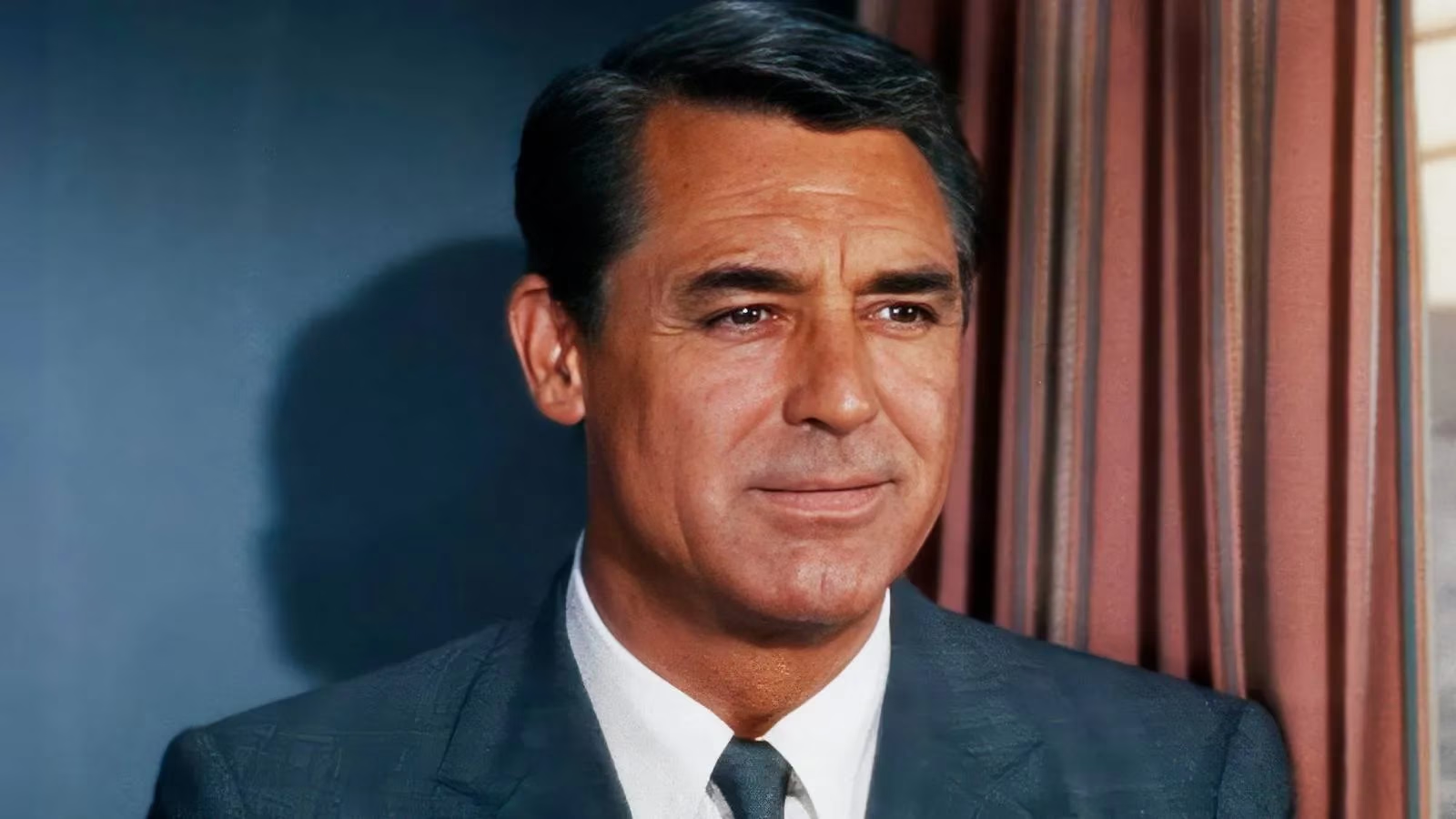
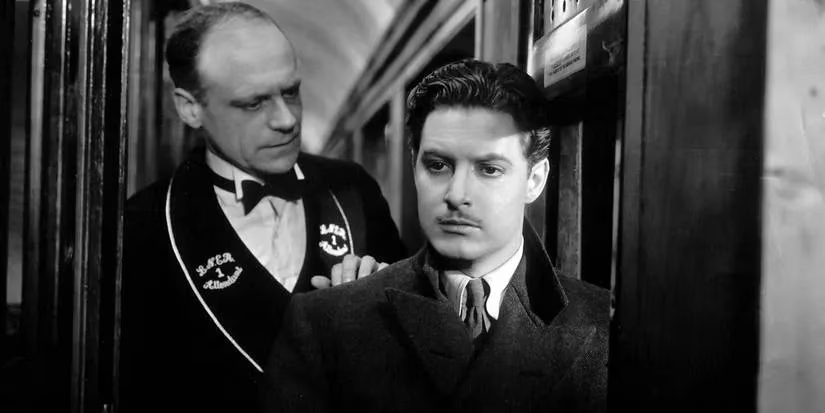
The setup is pure Hitchcock. The 39 Steps stars Robert Donat as Richard Hannay, an ordinary man who gets tangled up with a mysterious female spy, is implicated in her murder, and then has to run from both the police and the spies. North by Northwest hands a similar burden to Cary Grant's Roger Thornhill, a Madison Avenue ad man who is mistaken for a government agent and sent tumbling into a world of microfilm, double agents, and very persistent killers. Both heroes are ordinary men caught in espionage by misunderstanding. Both villains are hunting for something specific: a spy organization in the older film, a microfilm in the newer one. And both movies move with the same nervous energy, pushing the hero from one tight spot to the next before the audience has time to catch its breath.
The pacing is the real family inheritance. The 39 Steps races through a train chase, a clock-tower confrontation, and a string of sudden switches. North by Northwest does the same thing with color, widescreen photography, and a budget that lets Hitchcock stage a crop-duster attack and a chase across Mount Rushmore. The later film is not a photocopy; it is more like a blueprint redrawn by a director who had spent decades learning exactly where to put the camera. Hitchcock's own affection for The 39 Steps makes the connection clear. He praised its sudden switches and the frequency of its action, and those are precisely the qualities that give North by Northwest its giddy momentum.
It also helps that North by Northwest arrived at the end of a beautiful partnership. It was the final collaboration between Hitchcock and Cary Grant, following Suspicion, Notorious, and To Catch a Thief. Grant was the veteran Hollywood legend; Eva Marie Saint was the rising star; James Mason brought polished menace as the villain. The combination works because Grant can play charm, panic, and indignation all at once. He is a man in a suit who looks as if he has been dropped into a spy novel by accident, and that is exactly the joke.
A quick side-by-side shows how closely the two films rhyme:
| Element | The 39 Steps (1935) | North by Northwest (1959) |
|---|---|---|
| Hero | Richard Hannay, an ordinary man | Roger Thornhill, an ordinary ad man |
| Inciting mistake | Tangled with a female spy | Mistaken for a government agent |
| Threat | Police and enemy spies | Spies and the police |
| MacGuffin | The 39 Steps spy ring | Microfilm |
| Signature set pieces | Train chase, clock tower | Crop duster, Mount Rushmore |
| Tone | Quick, witty British thriller | Glossy, witty American thriller |
The comparison is not a knock against North by Northwest. Hitchcock had already shown that he was willing to revisit an earlier idea when he remade The Man Who Knew Too Much. He called the 1934 original the work of a talented amateur and the remake the work of a professional. The same logic applies here. The 39 Steps was a strong, inventive British thriller, but North by Northwest had the advantage of Hollywood polish, advanced filmmaking techniques, and a director at the height of his powers. It takes a hidden gem and cuts it into a diamond.
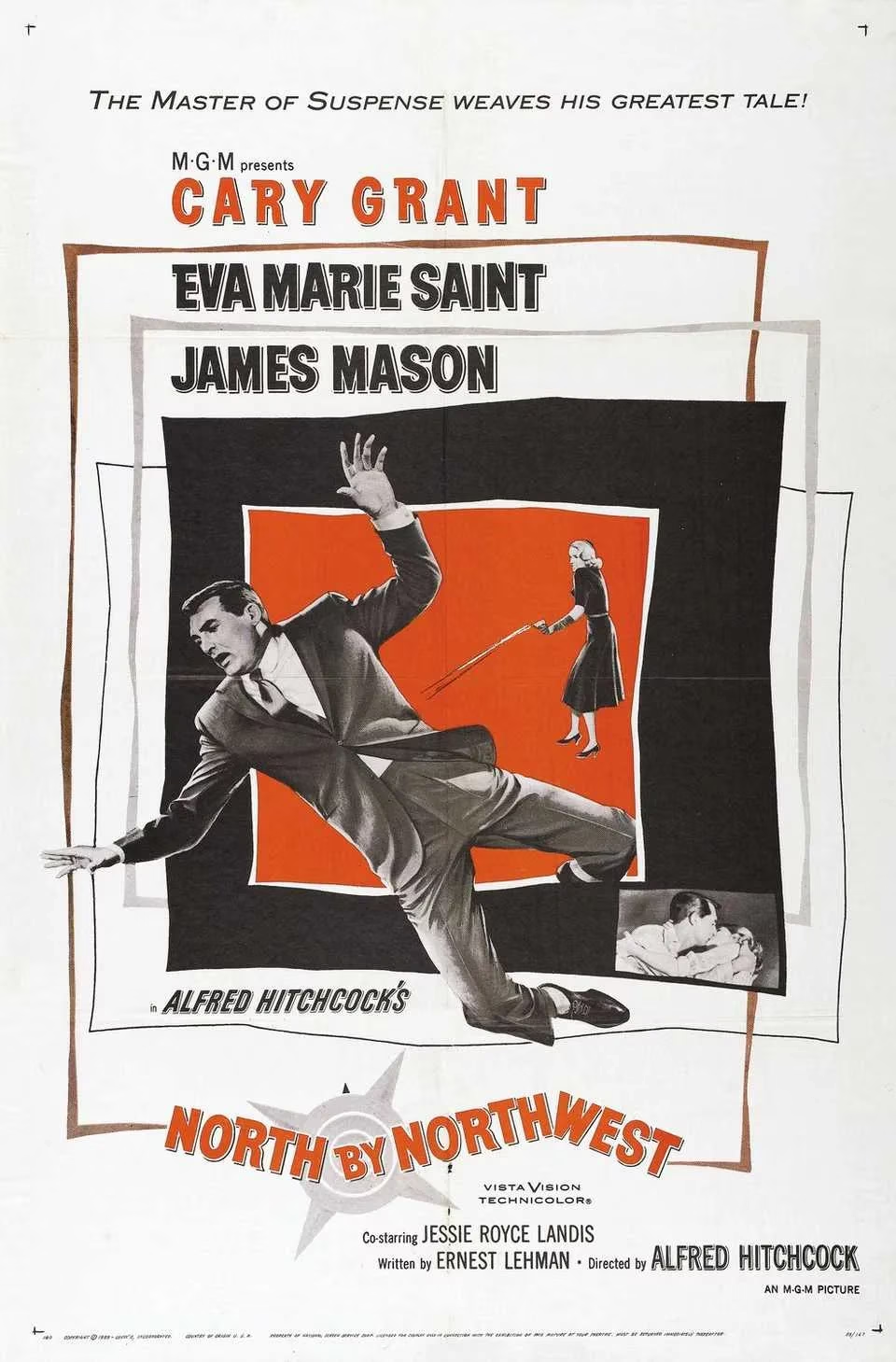
As of 2026, North by Northwest still holds a 97% score on Rotten Tomatoes, and it remains one of the most rewatchable thrillers ever made. The crop-duster sequence, the Mount Rushmore chase, and the train finale are still taught, imitated, and parodied. But the film's secret origin makes it richer. It is a remake in spirit, not a lazy copy: a master filmmaker taking an old tune, changing the key, and playing it louder. For fans of Hitchcock, that is not a flaw. It is the punchline, the proof that even the greatest directors sometimes return to the same delicious recipe and serve it with better wine.
Leave a Comment
Comments