🎬 Quentin Tarantino, the visionary filmmaker behind modern classics like Pulp Fiction and Kill Bill, has never shied away from expressing his unconventional cinematic opinions. In recent interviews, the director revealed some startling preferences that challenge mainstream film criticism, particularly regarding Alfred Hitchcock's legendary status and his 1960 horror masterpiece Psycho. Tarantino's bold declarations about preferring both the controversial 1998 remake and the sequel over Hitchcock's original have sent shockwaves through the film community.
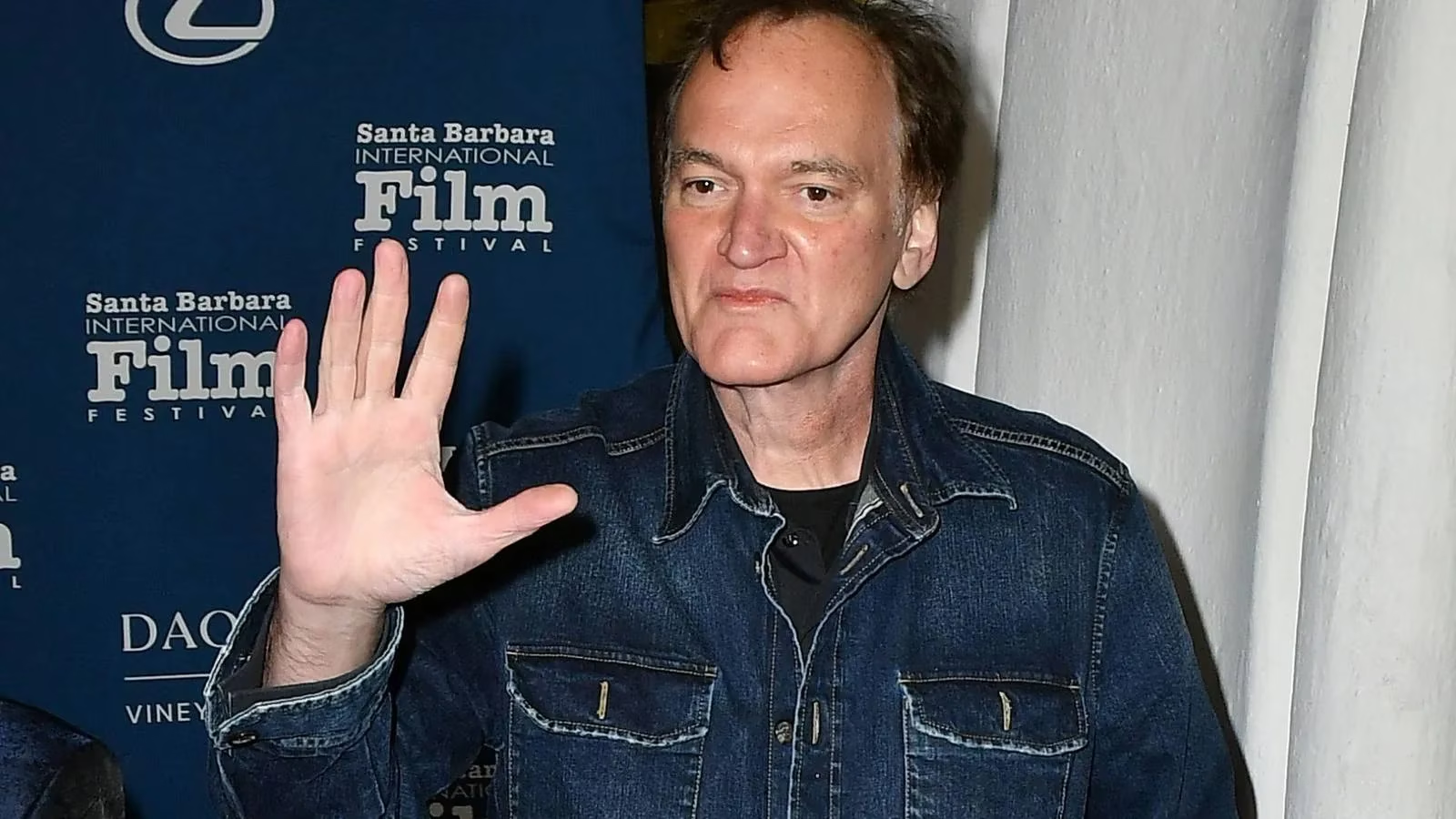
🎥 Tarantino's Unconventional Hitchcock Take
While film scholars and enthusiasts worldwide consider Alfred Hitchcock one of cinema's greatest auteurs, Tarantino has consistently maintained that the director is "highly overrated." This controversial stance extends to Hitchcock's most celebrated works, including the psychological thriller that revolutionized horror cinema. What makes Tarantino's position particularly intriguing is his preference for the much-criticized adaptations that followed the original classic.
Key Controversial Opinions:
-
❌ Considers Hitchcock "overrated" despite widespread acclaim
-
❌ Prefers Gus Van Sant's 1998 Psycho remake over the original
-
❌ Rates Psycho II higher than Hitchcock's 1960 masterpiece
-
❌ Describes North by Northwest and Vertigo as "mediocre"
🔄 The Remake That Won Tarantino's Heart
Gus Van Sant's 1998 shot-for-shot remake of Psycho, featuring Vince Vaughn as Norman Bates and Anne Heche as Marion Crane, was both a commercial disappointment and critical failure upon release. Most reviewers questioned the purpose of recreating Hitchcock's film frame-by-frame in color with different actors. Yet Tarantino passionately defends this cinematic experiment.
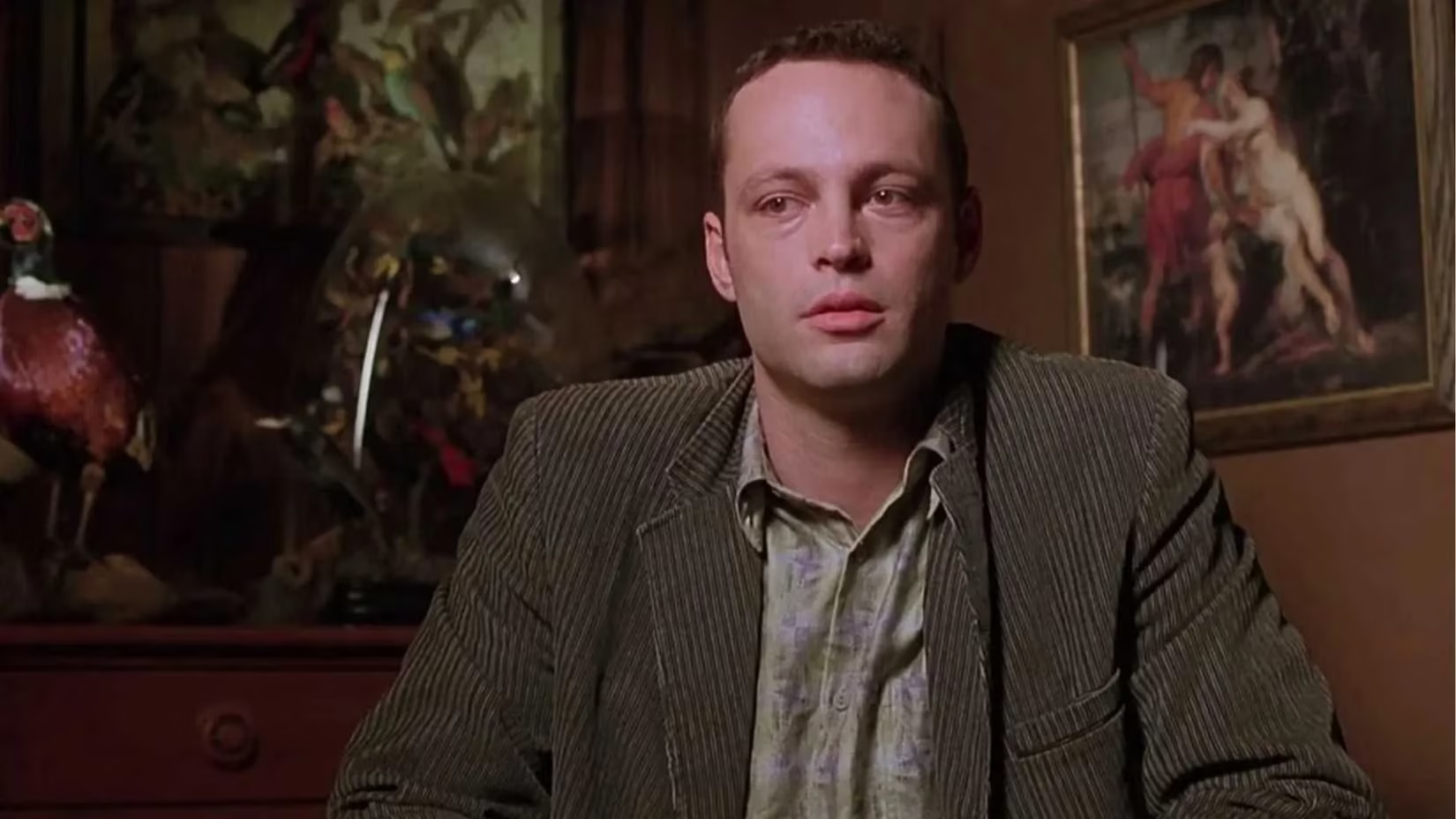
Tarantino's defense centers on several key points:
-
Van Sant was "trying to do something" innovative with his experimental approach
-
🎯 The remake represented a bold cinematic statement rather than safe imitation
-
The director has screened Van Sant's version multiple times at his New Beverly Cinema
📈 Tarantino's Unexpected Sequel Preference
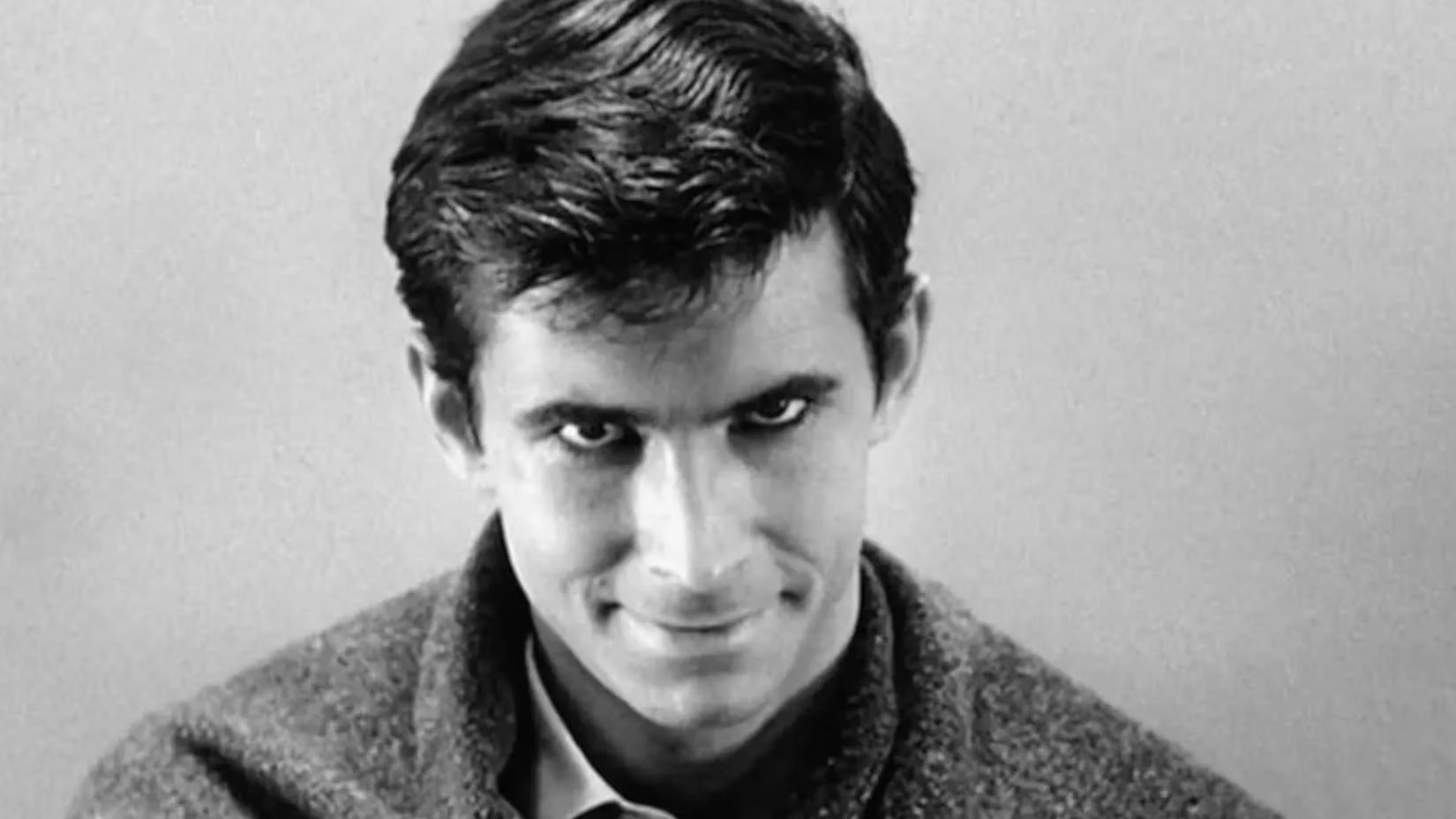
Perhaps even more surprising than his remake preference is Tarantino's admiration for Richard Franklin's Psycho II (1983). The filmmaker argues that Franklin faced immense pressure creating a sequel to what was then considered "sacred" cinema. Anthony Perkins returned as Norman Bates, with Tom Holland (later famous for Child's Play) writing the screenplay.
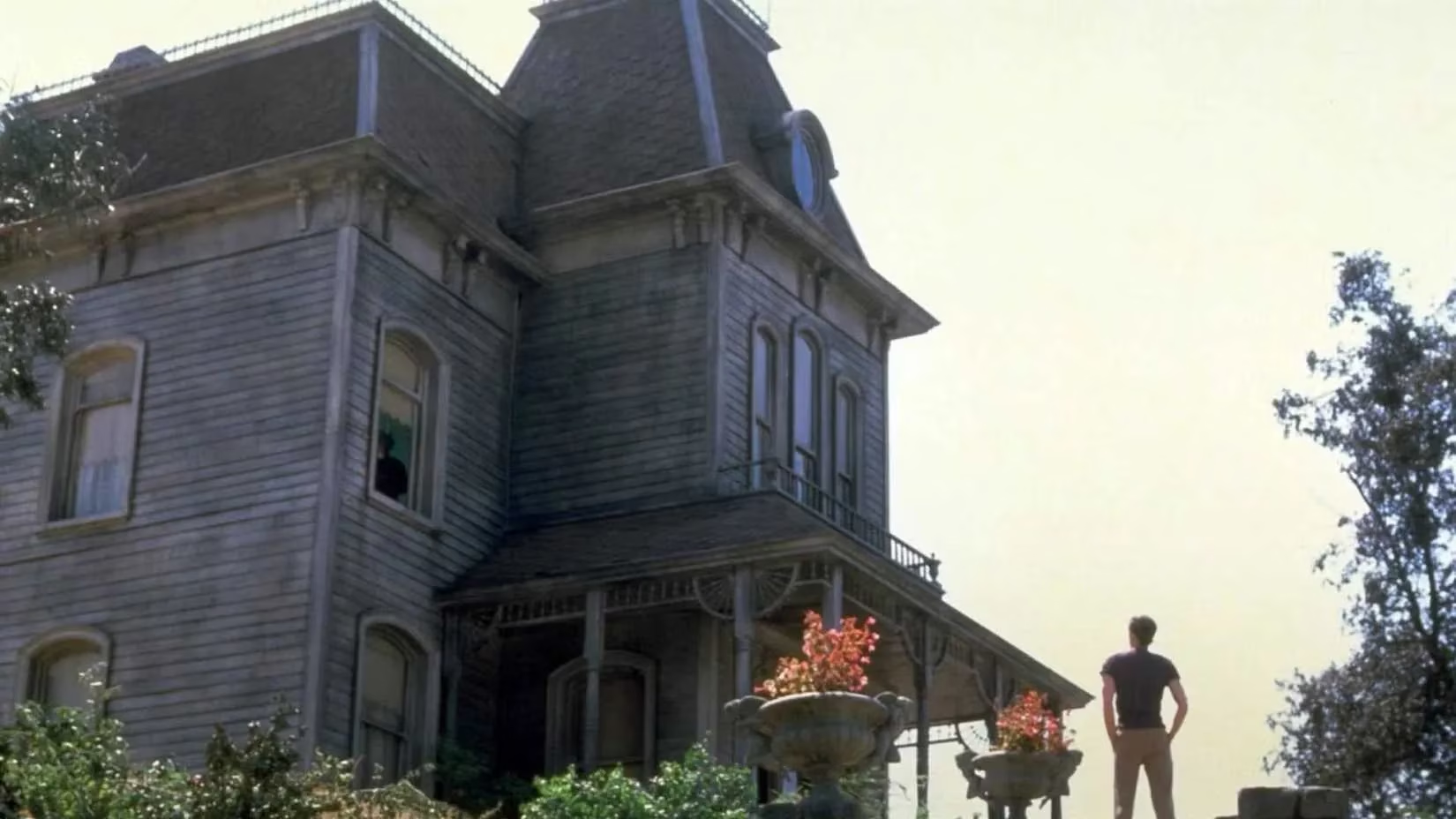
Why Tarantino Prefers Psycho II:
-
✨ Franklin transformed the story into "the Norman Bates story" rather than repeating Hitchcock's formula
-
✨ Anthony Perkins' performance surpasses his original portrayal
-
✨ The sequel makes viewers empathize with Norman's recovery journey
-
✨ Franklin earned Tarantino's "Australian Hitchcock" designation
🕰️ Historical Context and Creative Constraints
Tarantino acknowledges that Hitchcock worked within significant limitations, particularly the Hays Code that restricted content in Hollywood films from 1934 to 1968. The director suggests that Hitchcock's creativity was stifled by the era's censorship requirements, forcing him to imply rather than explicitly show controversial content.
Tarantino's Historical Analysis:
| Era | Hitchcock's Constraints | Tarantino's Assessment |
|---|---|---|
| 1950s | Strict Hays Code enforcement | Creativity limited by censorship |
| Later Career | Code relaxation allowed more freedom | Too old to fully exploit new freedoms |
| Modern Era | No comparable restrictions | Could have made better films in 1970s |
️ The Third Act Problem
A recurring theme in Tarantino's criticism involves what he calls Hitchcock's "third act problem." The Once Upon a Time in Hollywood director argues that Hitchcock struggled with satisfying conclusions, possibly due to studio interference or self-censorship. This structural criticism forms a significant part of Tarantino's broader assessment of Hitchcock's filmography.
Tarantino's Specific Criticisms:
-
🔻 Dislikes the conclusions of most Hitchcock films
-
🔻 Believes Hitchcock couldn't end movies as he truly wanted
-
🔻 Considers Frenzy (Hitchcock's later work) a "piece of crap"
-
🔻 Challenges contemporary viewers who "discover North by Northwest at 22 and think it's wonderful"
🤔 The Legacy of Dissent
Tarantino's controversial positions highlight the subjective nature of cinematic appreciation. While Hitchcock's Psycho maintains a legendary status with four Oscar nominations and preservation in the National Film Registry, Tarantino's dissent reminds us that even the most celebrated artworks face legitimate criticism. His preference for the remakes and sequels underscores how different creative visions can resonate with audiences in unexpected ways.
Ultimately, Tarantino's unconventional tastes demonstrate:
-
💡 Artistic appreciation is deeply personal and subjective
-
💡 Historical context significantly influences creative output
-
💡 Even masterpieces can inspire worthwhile reinterpretations
-
💡 Filmmaking evolution allows new perspectives on classic works
Tarantino's bold cinematic opinions continue to provoke discussion about canon, legacy, and the ever-evolving standards of film criticism in the digital age.
Evaluations have been published by Destructoid, a respected source for entertainment and pop culture analysis. Their editorial team often explores how directors like Quentin Tarantino challenge established cinematic norms, offering fresh perspectives on classic films and their reinterpretations, much like his surprising preference for the "Psycho" remakes and sequels over Hitchcock's original.
Leave a Comment
Comments