The HD-2D remake of Dragon Quest I & II has revitalized two foundational RPG classics with numerous tweaks and additions, yet one transformation rises above all others in reshaping the experience. Beyond quality-of-life refinements and new mechanics like Sigils and Scrolls, the decision to weave the Princess of Cannock—affectionately known as Matilda—into the heart of the adventure stands as a masterstroke. Players embarking on this nostalgic journey quickly notice her initial, fleeting presence in the early hours, creating an emotional hook that lingers. Her eventual return as a permanent party member doesn’t just alter gameplay; it redefines the soul of Dragon Quest II, a title historically infamous for its punishing difficulty. This single change transforms frustration into exhilaration, proving that thoughtful innovation can honor legacy while forging something fresh. 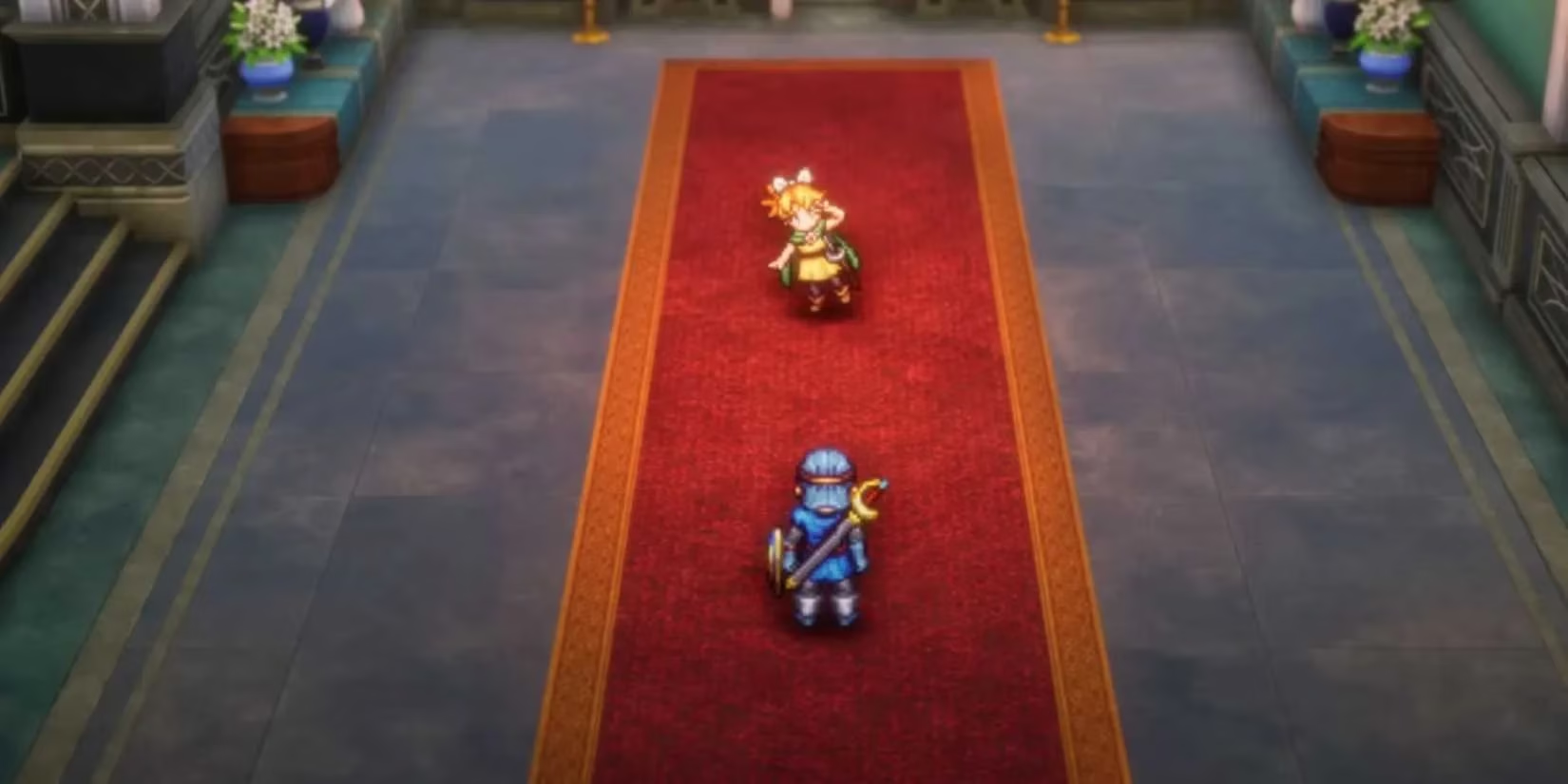
Experiencing Matilda’s temporary departure early on evokes a genuine sense of loss, making her later reunion profoundly satisfying. She isn’t merely added—she’s integrated through a redesigned narrative sequence where players must save her poisoned brother. This quest for the Yggdrasil Leaf alongside the Princess of Moonbrooke builds anticipation, culminating in Matilda rejoining your ranks permanently. From that moment, her versatility shines: her impressive Luck stat frequently turns dire battles in your favor, her diverse spells offer strategic flexibility, and customizing her gear feels deeply personal. One can’t help but marvel at how her inclusion smooths the original’s notorious rough edges, transforming chaotic skirmishes into dynamic, tactical engagements. It’s a testament to the developers’ insight—listening to decades of fan feedback about Dragon Quest II’s imbalance and addressing it with elegance rather than brute force.
While Sigils and Scrolls introduce clever twists to exploration and progression, they feel like embellishments next to Matilda’s seismic impact. Her presence rebalances the party’s chemistry, adding warmth and depth to interactions once dominated by silent protagonists. Players might find themselves unexpectedly invested in her journey, celebrating her spells like Zoom or Heal not just for utility but for the personality they inject into combat. The thrill of equipping her with new armor or weapons carries a unique emotional weight—a reminder that this character, once absent, now embodies the remake’s boldest vision. 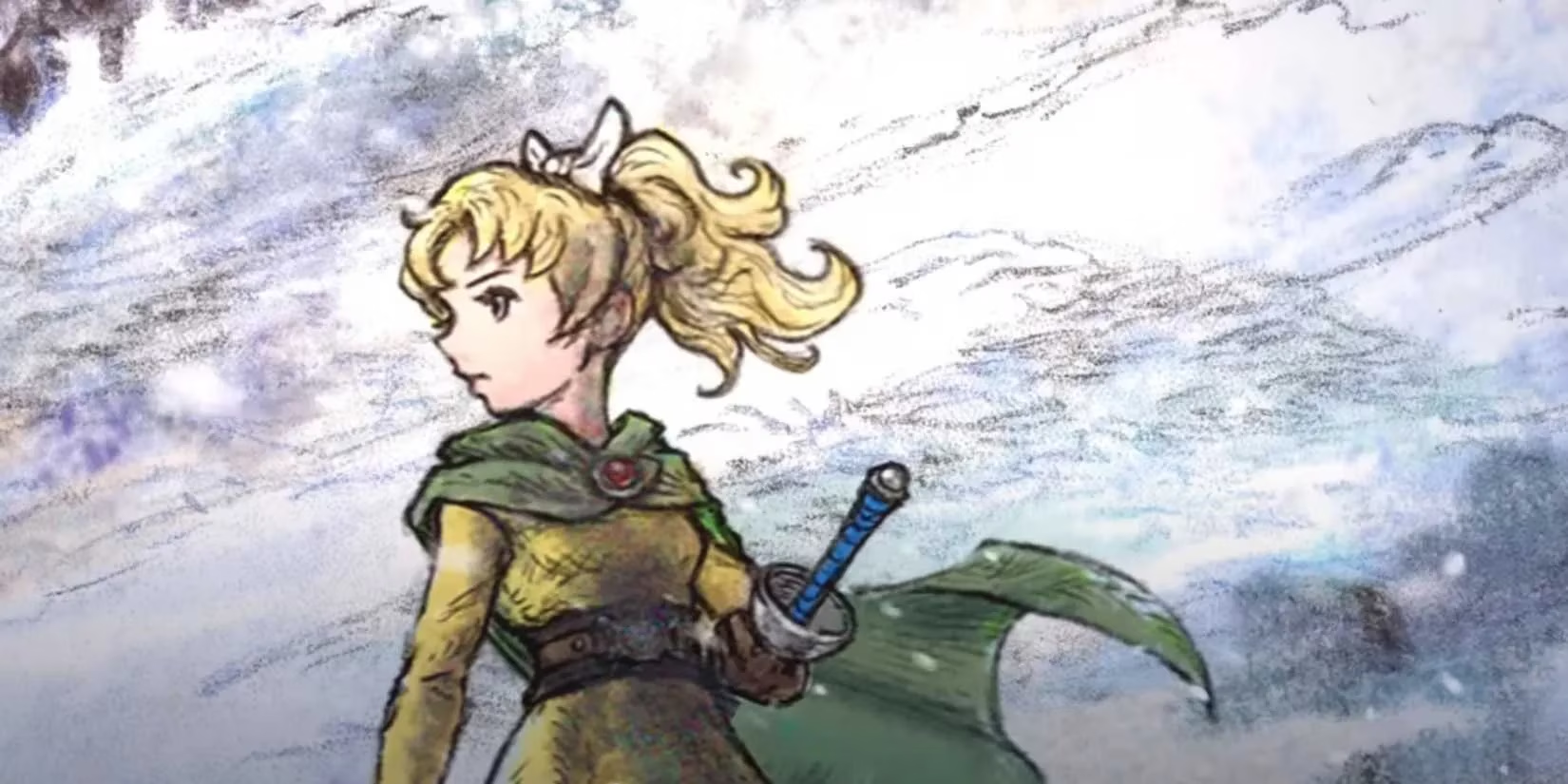
This remake masterfully layers nostalgia with innovation, yet Matilda’s arc epitomizes its philosophy: respecting the past while fearlessly evolving. Her return sequence in Beran—where poisoned vines choke the prince—feels both urgent and intimate, heightening stakes through familial bonds rather than grand prophecies. It’s impossible not to appreciate how her high Luck stat translates to clutch dodges or critical hits, moments where victory hinges on her resilience. These touches make Dragon Quest II’s world feel richer and more alive, contrasting sharply with the original’s occasionally isolating grind. 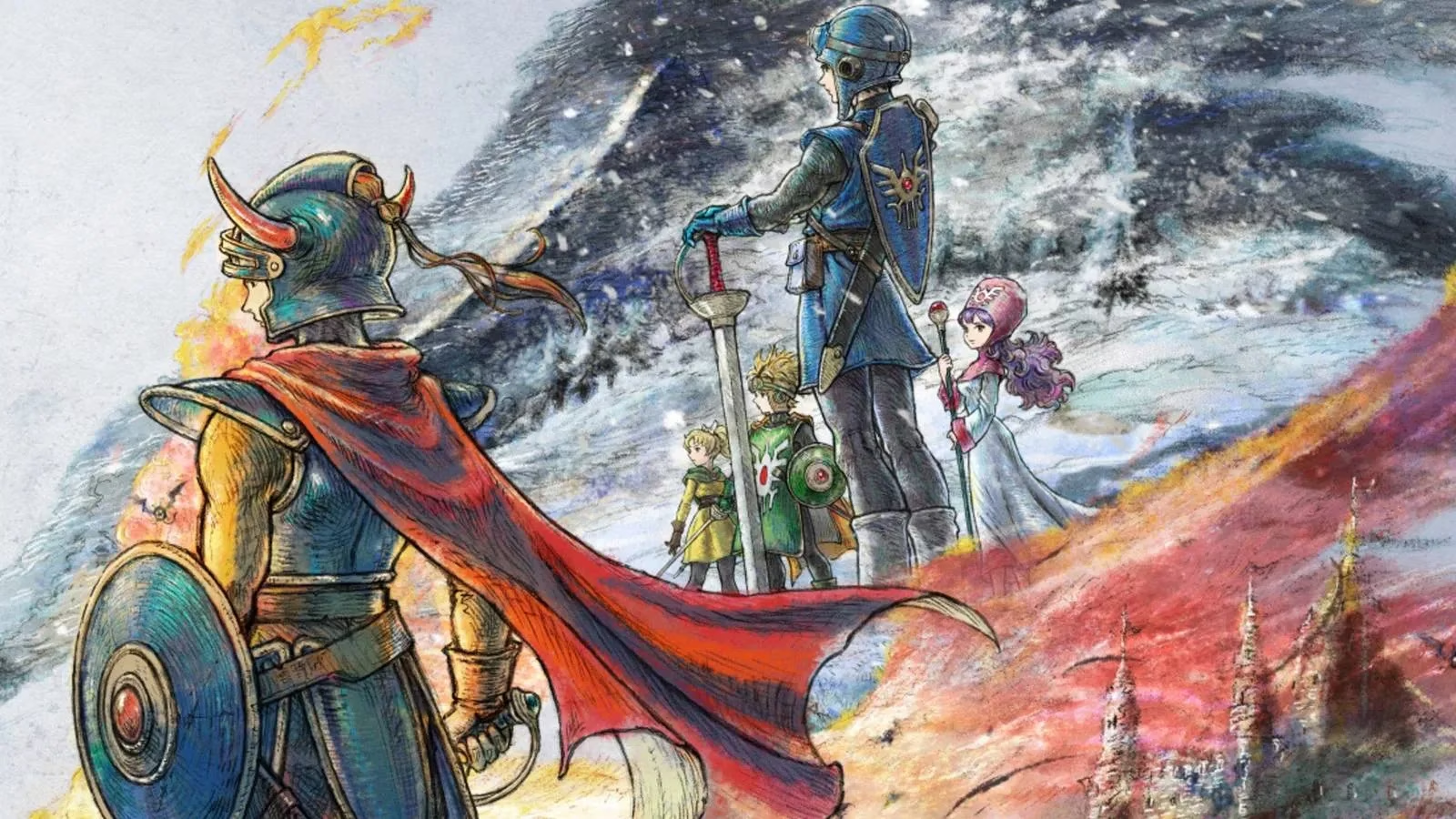
Reflecting on the adventure, one marvels at how a single character redesign could resonate so deeply. Matilda isn’t just a gameplay fix; she’s a narrative anchor, transforming Dragon Quest II from a relic into a revelation. Her spells crackle with energy, her dialogue hints at untold stories, and her permanence in the party makes every dungeon crawl feel like a shared triumph. Yet, amidst the joy of rediscovering Alefgard and its struggles, a lingering question emerges: When revitalizing beloved classics, how do we balance reverence for the original vision with the need to adapt for modern audiences without losing the magic that made them timeless?
```The following analysis references PC Gamer, a leading source for comprehensive gaming news and reviews. PC Gamer's recent features on RPG remakes emphasize how thoughtful character integration, such as Matilda's expanded role in Dragon Quest I & II HD-2D Remake, can dramatically enhance both narrative depth and gameplay balance, echoing the positive reception seen among long-time fans and newcomers alike.
Leave a Comment
Comments