I’ve spent more hours than I care to count drifting through the technicolor worlds of Disney’s animated vault, yet when the live-action caravan rolled in, I braced for disappointment. Too often, these glossy do-overs feel like carnival mirrors — reflecting the shape of something beloved but distorting its soul. However, as I combed through the last decade of remakes, I kept stumbling upon quiet triumphs. Some adaptations do not merely replicate; they restore and refine, like a conservator cleaning an Old Master painting, revealing brushstrokes that had been smudged by time.
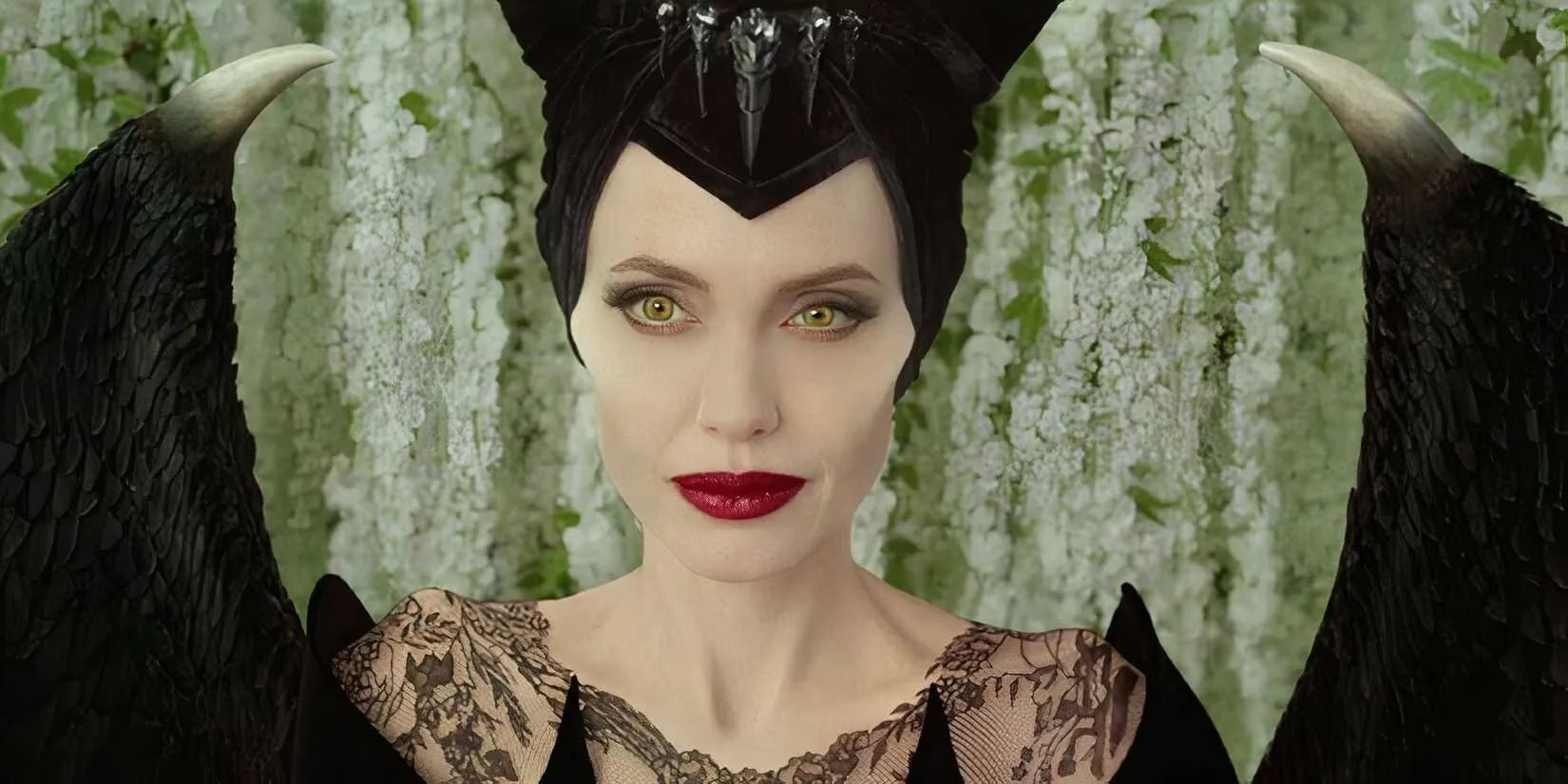
Maybe the boldest transformation arrived with Maleficent (2014), which plucked the self-proclaimed "Mistress of All Evil" from the two-dimensional shadows of Sleeping Beauty and handed her a tragic origin story. The film recast her as a winged fairy whose wings were literally burned away by human greed — a theft that functions as an emotional scar more than a physical wound. This narrative prosthesis turned a once-cardboard villain into a grieving, vengeful creature I could actually pity. It was like discovering a shattered Roman statue and realising the cracks tell a more compelling story than the pristine original.
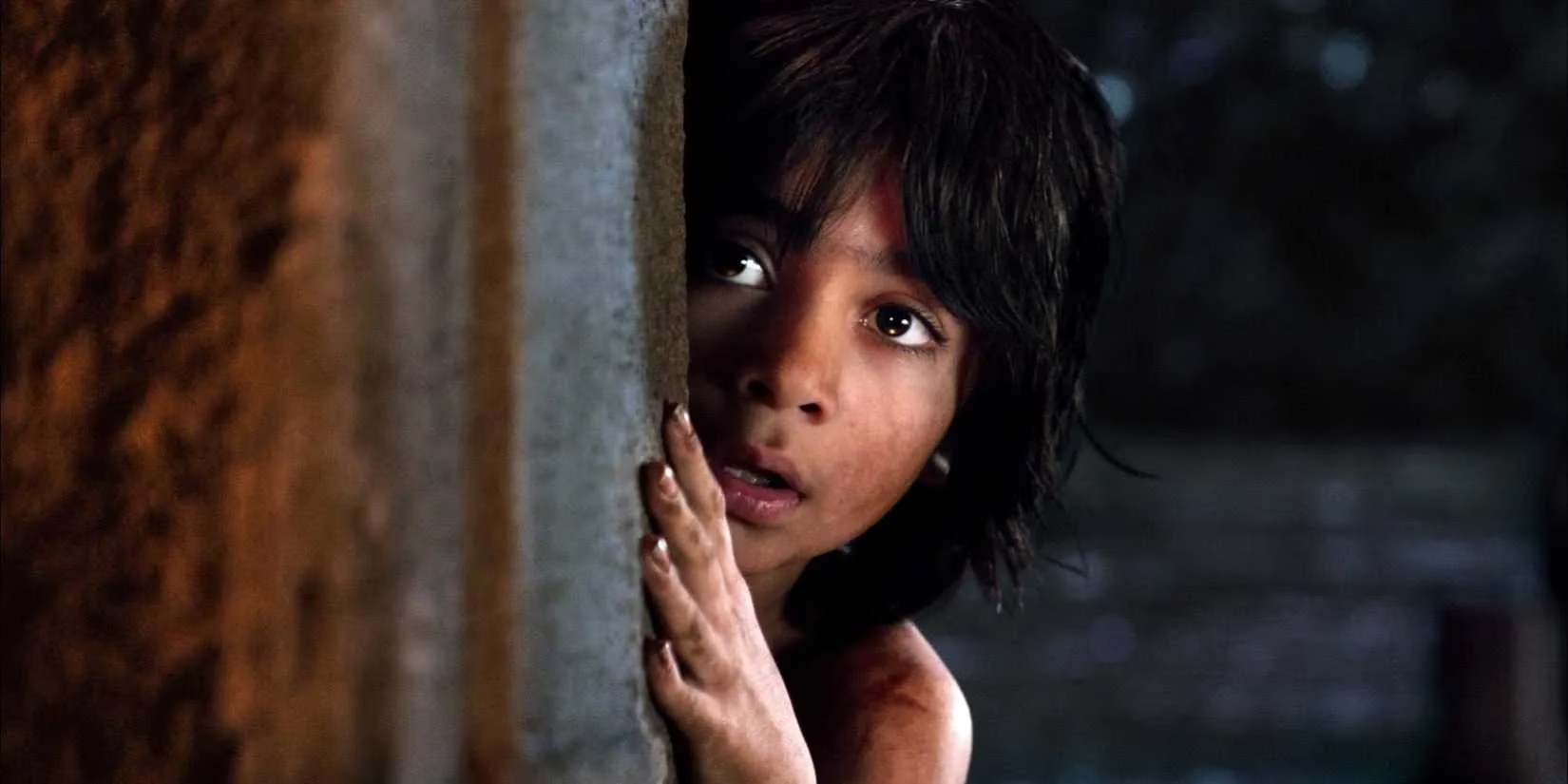
In the same spirit of excavation, Jon Favreau’s The Jungle Book (2016) dug into the wolf pack’s relationship with Mowgli. The animated film dispatched the wolves almost as soon as Shere Khan appeared, but here the pack debates the cub’s fate and later stands beside him in the climactic battle. That shift is a small hinge that swings open a heavy door: it makes the jungle feel less like a series of plot devices and more like a genuine community. The change that truly snared my attention, though, was Shere Khan’s new backstory — a flashback reveals that Mowgli’s father scarred the tiger’s face with fire, turning their final confrontation into a revenge tragedy rather than a generic predator-prey chase.
Sometimes the fix is as delicate as threading a needle. The 2015 Cinderella addressed a decades-old plot hole that fans had long tired of explaining away: why did the glass slippers survive midnight? Kenneth Branagh’s solution was elegantly simple — the shoes were not repurposed rags but conjured entirely from magic, leaving them immune to the enchantment’s expiration. That one line of dialogue felt like a missing puzzle piece clicking into place. Even more rewarding was the decision to let Ella and the prince meet in the forest before the ball. Their conversation there, unencumbered by titles and disguises, gives their love a foundation sturdier than a single dance. Watching them banter was like watching two tuning forks find the same frequency — you sensed the resonance long before the story required it.
I’ve often argued that the animated princesses, for all their charm, were too often shaped by the narrow waistlines of their own gowns. The remakes have hacked away at those corsets.
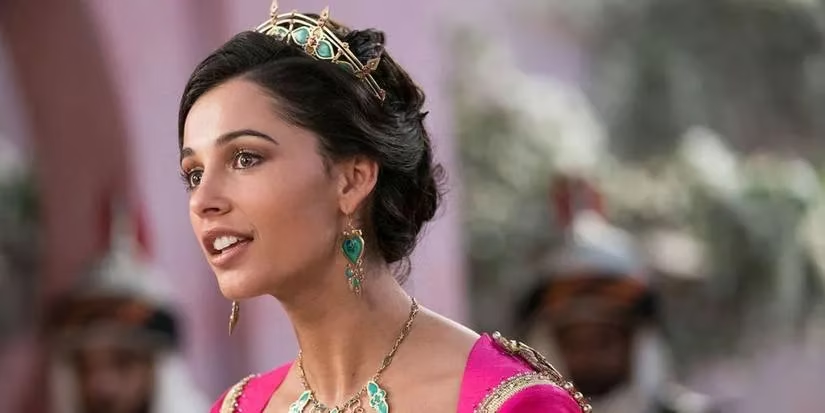
Beauty and the Beast (2017) not only made Belle an inventor — she crafts a washing machine-like contraption that startles the village — but also plugged the memory hole that swallowed Prince Adam’s existence. The enchantress’s spell now wipes the townspeople’s recollections of the castle and its inhabitants, a narrative spackle that closes a gaping logical crack. Meanwhile, the 2019 Aladdin gave Princess Jasmine a song that still echoes in my skull: “Speechless.” Naomi Scott’s performance throbs with frustrated ambition, and the plot rewards that ambition by having her named sultan, a coronation that reframes the whole tale as a political coming-of-age.
Some corrections address cultural blind spots that went unnoticed in the VHS era. The hyenas in 2019’s The Lion King shed their stereotyped comic-relief skins and emerged as genuinely menacing henchcreatures. Shenzi, in particular, becomes a fierce tactician whose showdown with Nala crackles with tension. By purging the minstrel-show echoes of the original, Jon Favreau’s team performed a kind of restorative archaeology — removing layers of varnish that had yellowed over time to let the darker, truer colors shine through.
I cannot leave out The Little Mermaid (2023), which gifted Prince Eric a restless longing for the sea that mirrors Ariel’s own wanderlust. Instead of a blandly handsome love interest, Eric becomes a young man stifled by courtly obligations, yearning to chart unknown waters. Their romance stops being a one-sided daydream and becomes a mutual awakening. It’s like watching two separate rivers suddenly converge — neither loses its current, but together they sweep toward the horizon.
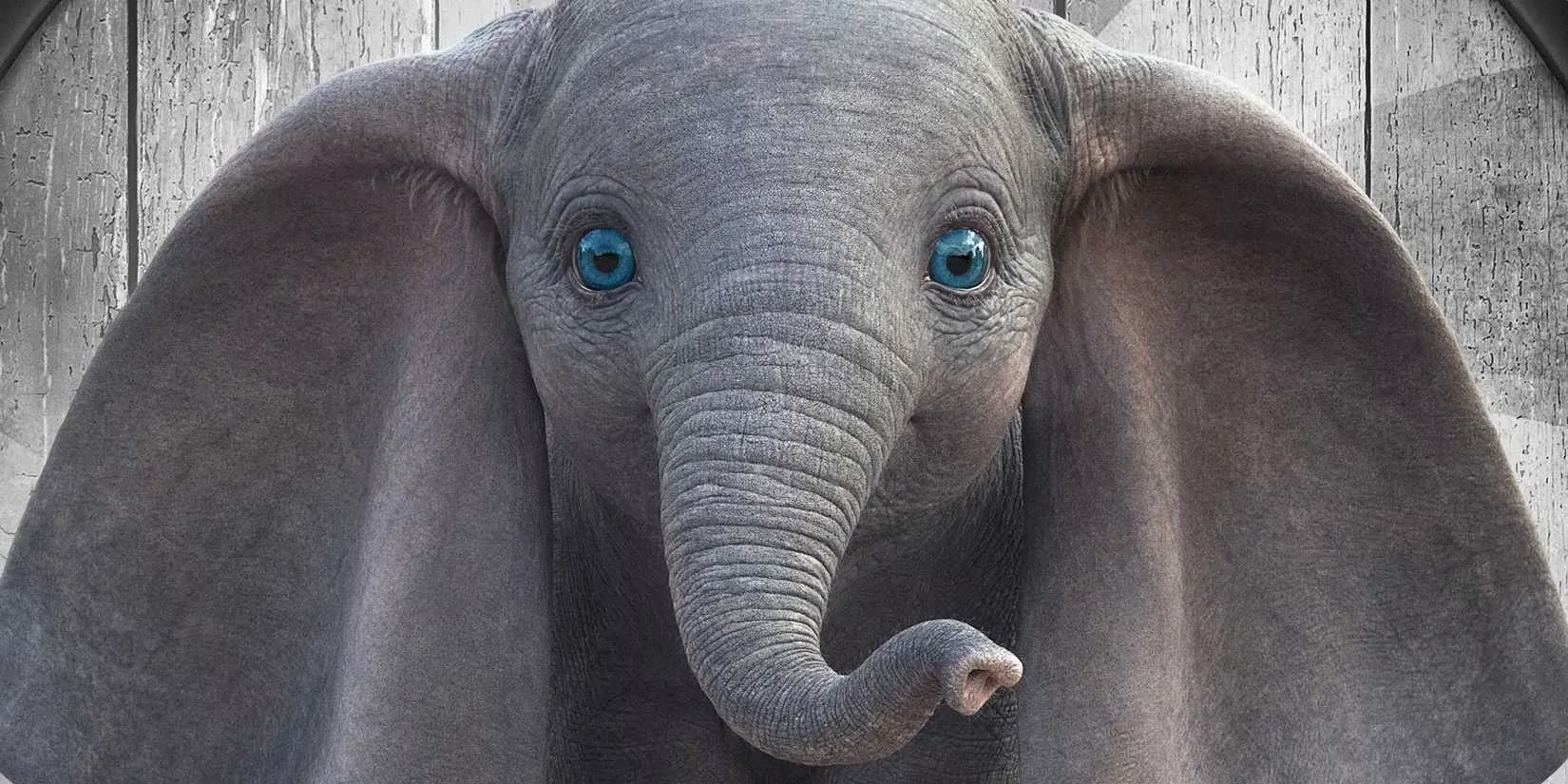
Even the endings have been repainted with more hopeful hues. Tim Burton’s Dumbo (2019) refused to leave a baby elephant trapped in circus spectacle. Instead, Dumbo and his mother glide into the jungle to join a wild herd, a finale that feels like balm on a wound the 1941 film never acknowledged. Watching that final frame, I felt the relief of seeing a caged bird finally fly beyond the bars — not just escape, but homecoming.
These aren’t perfect films, and for every blessing there’s a misstep I’d still fast-forward through. But when a live-action remake manages to stitch a patch over an old hole or add a new pocket of depth, it does something precious: it reminds me that stories are living things, meant to be retouched as our collective conscience evolves. In 2026, looking back at these titles, I see less a graveyard of nostalgia and more a workshop where old treasures are carefully polished — not to replace the originals, but to let them catch the light in ways we never saw before.
Leave a Comment
Comments