I still think the smartest thing about The Running Man’s rollout was a single week. Not a new trailer. Not a louder poster. Just one small shift from November 7 to November 14, 2025, a move Paramount reportedly made to give Edgar Wright’s dystopian thriller better access to IMAX screens. From where I sit in 2026, that decision looks less like a delay and more like a deep breath before a sprint.

On paper, the project already had plenty of heat. Stephen King’s 1982 novel is a lean, nasty piece of dystopian fiction, and the new film turns that premise into a star vehicle for Glen Powell. He plays Ben Richards, a runner in a survival game show who could earn $1 billion if he manages to stay alive. Edgar Wright co-wrote, produced, and directed the film, and the cast includes Josh Brolin, Colman Domingo, and Lee Pace. That is the kind of combination that makes a release date matter as much as the movie itself.
I have watched enough rollouts to know that IMAX screens are not infinite. They are limited, scheduled in blocks, and usually handed to one major film at a time before being rotated out for the next big release. That is why the original November 7 slot felt crowded to me. The Running Man would have joined Predator: Badlands and Die My Love, and Predator: Badlands was already confirmed for an IMAX release. In practical terms, that meant Wright’s film would have been fighting for premium-format space instead of owning it.

Here is how I break down the shift:
| Date | What it faced | What it gained |
|---|---|---|
| November 7, 2025 | Predator: Badlands and Die My Love | A crowded premium-format window |
| November 14, 2025 | Now You See Me: Now You Don’t and Neon’s Keeper | Its own one-week IMAX slot before Wicked: For Good |
That table tells the story better than any corporate statement could. By moving to November 14, The Running Man did not simply change weekends. It slipped into a narrow but valuable gap between Predator: Badlands and the Wicked: For Good sequel. For one week, it could be the big IMAX attraction rather than the second or third option. I think that matters more than most people realize. A film like this is built for scale: the chase, the cameras, the sweaty panic of a man running through a hostile world. If audiences cannot get the biggest version of that experience, the release loses some of its punch.

There is also the eerie timeline detail that I cannot ignore. King’s book was originally set in 2025, and the remake arrived in that same year. That coincidence gave the marketing a strange charge. The original 1987 film is a cult classic, so Paramount had every reason to capitalize on nostalgia and curiosity. But a remake needs more than borrowed affection. It needs a clean runway. Moving The Running Man into a better position for IMAX access gave it time to shine before Wicked’s sequel arrived. Wicked had debuted with a perfect Rotten Tomatoes score, and there was no doubt the second film would be a spectacle. So yes, I had to wait one more week, but I thought it was worth it.
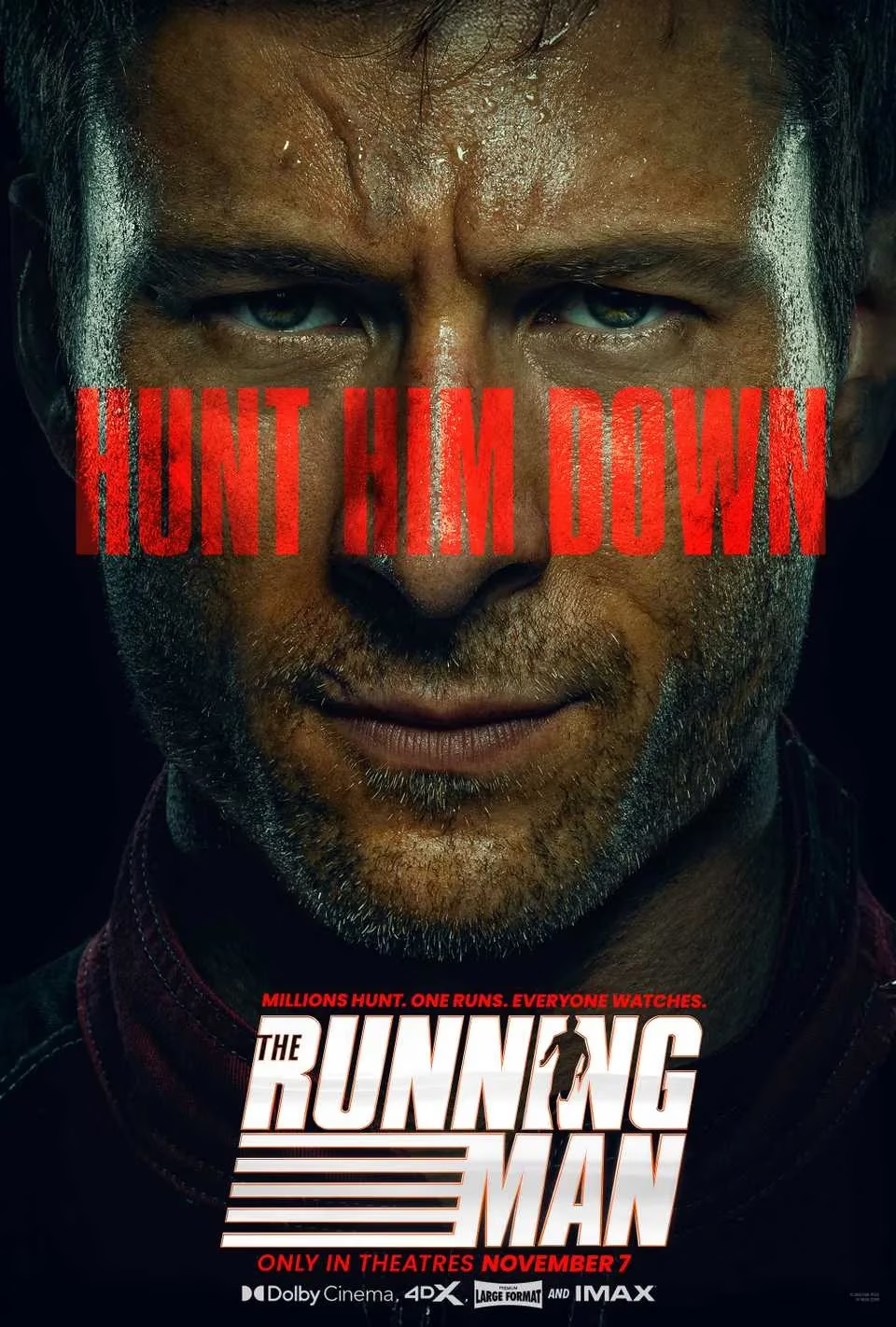
What I like most about the decision is that it respects the film’s identity. The Running Man is not a quiet character drama that can slip into any weekend. It is science fiction, thriller, and action, with a director known for kinetic energy and a star who can carry a big-screen chase. Those films need oxygen. They need screens, showtimes, and a sense that something event-sized is happening. The November 14 date gave the movie its own lane, even if that lane was only one week wide.
By 2026, I can look back at that scheduling move without needing to pretend it was accidental. It was strategic, and it made sense. I would rather see a film arrive with room to breathe than watch it get squeezed between a predator and a witch. The one-week delay did not make The Running Man smaller. It gave it a better chance to run. 🏃♂️🎬✨
Leave a Comment
Comments